Understanding Earth’s Largest Land Mammals
The elephant stands as one of nature’s most remarkable creations. Moreover, these magnificent creatures represent intelligence, social complexity, and evolutionary success spanning millions of years. Throughout history, they have captivated human imagination. Nevertheless, many people remain unaware of the critical differences between species. Furthermore, the intricate social structures that govern their lives remain mysterious to most. Consequently, the urgent conservation challenges they face today require immediate attention.
Understanding elephants requires looking beyond their imposing size. Specifically, we must appreciate the nuanced behaviors that make them unique. Additionally, their ecological roles prove irreplaceable in their ecosystems. Over millennia, the survival strategies they employ have evolved remarkably. Ultimately, these elements combine to make elephants essential components of healthy environments.
Modern science has revealed important distinctions. Indeed, what we casually refer to as elephants actually encompasses three distinct species. Remarkably, each has adapted to specific environments while facing unique threats to survival. From the savannas of East Africa to the dense rainforests of Central Africa, these animals thrive in diverse conditions. Similarly, the varied habitats across South and Southeast Asia support different populations. Notably, these intelligent mammals have developed remarkable adaptations that allow them to flourish in varied landscapes.
Their presence shapes entire ecosystems in profound ways. For instance, they create pathways through forests that other animals use extensively. In addition, they disperse seeds across vast distances while modifying vegetation patterns that benefit countless other species. Thus, the elephant’s role extends far beyond simple herbivory.
The Historical Connection Between Elephants and Humans
The story of elephants intertwines with human history in complex ways. Throughout millennia, we have revered them in religious traditions. Ancient civilizations employed them in warfare and labor while celebrating them in art and literature across cultures. Unfortunately, we have also driven them toward extinction through various means. Currently, habitat destruction continues at alarming rates. Meanwhile, poaching has decimated populations repeatedly throughout history.
Today, understanding these animals has become more critical than ever. Presently, conservationists race against time to ensure their survival. Ultimately, future generations deserve to share the planet with these remarkable beings. Indeed, the knowledge we gain now will determine their fate.
Understanding Elephant Species and Their Distinct Characteristics
The Three Recognized Species
The classification of elephants has undergone significant revision in recent decades. Notably, genetic research has revealed surprising evolutionary relationships. What scientists once considered subspecies are now recognized as separate species. Significantly, they possess distinct genetic lineages while displaying different physical characteristics. Moreover, their behavioral patterns vary significantly across populations.
The African elephant, specifically the savanna variety, represents the largest of all terrestrial mammals. Impressively, adult males can reach heights of 13 feet at the shoulder while weighing up to 14,000 pounds. In contrast, females typically measure 8 to 9 feet tall and weigh between 6,000 and 8,000 pounds. These giants possess enormous ears that serve multiple purposes beyond hearing. Specifically, the ears act as highly efficient cooling systems in the intense African heat. Interestingly, the distinctive shape of their ears mirrors the African continent itself. Therefore, this characteristic helps distinguish them from their Asian counterparts at a glance.
The Discovery of Forest Elephants as a Separate Species
Recent genetic studies confirmed an important finding. Surprisingly, the forest elephant, long considered a subspecies of the African elephant, actually represents a separate species entirely. Currently, these animals inhabit the dense rainforests of Central and West Africa. Particularly, they live in countries like Gabon, the Republic of Congo, and Cameroon. Notably, forest elephants exhibit several distinctive features that reflect their adaptation to life beneath the jungle canopy.
Comparatively, they stand considerably smaller than their savanna relatives. Typically, adults reach heights of 8 to 10 feet, which makes it easier to navigate through dense vegetation. Additionally, their tusks grow straighter and point downward. Functionally, this adaptation helps them move through thick forest undergrowth without becoming entangled. Furthermore, the shape of their ears differs as well, appearing more oval and less expansive than those of savanna elephants.
Characteristics of Asia Elephants
The Asia elephant, the third recognized species, shows remarkable variation across its range. Historically, this range extended from Syria and Iraq in the west while reaching China and Indonesia in the east. Today, their distribution has fragmented into isolated populations across 13 countries in South and Southeast Asia.
These elephants display several distinguishing features that set them apart from their African cousins. Notably, they possess smaller, rounded ears that reflect their cooler forest habitats. Consequently, they have reduced need for heat dissipation. Interestingly, only some male Asia elephants develop prominent tusks. Meanwhile, females and many males grow only small tushes that barely protrude beyond the lip.

The highest point of an Asia elephant’s body sits atop its head, creating a distinctly rounded appearance. Conversely, African species carry their highest point on the shoulders. Beyond physical appearance, the differences extend into skull structure. Additionally, skin texture differs noticeably while even the number of toenails distinguishes them.
Physical Distinctions in Detail
African elephants typically have four toenails on their front feet and three on their back feet. In comparison, Asia elephants usually possess five on the front and four on the rear. Although seemingly minor, these variations reflect millions of years of separate evolution. Ultimately, they represent adaptation to different environmental pressures over time.
Habitat and Distribution Patterns Across Continents
Historical Ranges of African Elephants
Understanding where elephants live requires examining both their historical ranges and their current distributions. Importantly, the story of elephant habitats tells a broader narrative about human expansion and land use changes. Furthermore, it highlights the ongoing conflict between wildlife conservation and development.
Savanna African elephants once roamed across the entire African continent, ranging from the Mediterranean coast to the Cape of Good Hope. Historically, archaeological and historical records document their presence in North Africa during ancient times. During those periods, Carthaginian and Roman armies captured and trained them for warfare. However, today their range has contracted dramatically into fragmented populations across sub-Saharan Africa. Currently, the largest numbers remain in Botswana, Tanzania, Zimbabwe, and Kenya.
Remarkably, these elephants thrive in diverse habitats including grasslands, woodlands, and wetlands. They even survive in semi-arid regions, demonstrating remarkable adaptability to different conditions. Impressively, they survive in areas receiving as little as 10 inches of annual rainfall while also flourishing in regions with over 60 inches of precipitation.
Seasonal Movement and Migration Patterns
The seasonal movement patterns of savanna elephants reveal sophisticated navigation abilities along with ecological knowledge passed down through generations. During dry seasons, herds may travel hundreds of miles to seek permanent water sources along ancient migration routes. For centuries, elephants have used these pathways repeatedly. Consequently, these routes become so ingrained that elephants continue attempting to follow them even when human settlements now block the way. As a result, this leads to frequent human-wildlife conflict.
The matriarch, the oldest female in the group, serves as the repository of this geographical knowledge. Specifically, she remembers the locations of water sources while knowing where mineral licks exist. Additionally, she recalls seasonal feeding grounds across vast landscapes. Research has demonstrated that groups led by older matriarchs show higher survival rates during droughts. Notably, the older leaders remember the locations of emergency water sources accessed during previous dry periods decades earlier.
Forest Elephant Habitat Characteristics
Forest elephant habitat presents entirely different challenges and opportunities. Importantly, the Congo Basin rainforest serves as the primary stronghold for this species while representing the second largest tropical forest on Earth. Within these environments, they navigate through dense vegetation where visibility rarely extends beyond a few meters. Consequently, they rely heavily on their acute hearing and sense of smell to maintain social connections and detect dangers.
Unlike their savanna cousins who often gather in large, visible herds, forest elephants typically move differently. Instead, they travel in smaller family units of two to eight individuals. Functionally, this social structure suits their environment perfectly. Moreover, they create and maintain networks of trails through the forest that other animals use extensively. As a result, this has earned them the nickname “ecosystem engineers.”
The Ecological Impact of Forest Corridors
These forest corridors serve critical ecological functions beyond elephant movement. Specifically, the paths allow sunlight to penetrate the dense canopy while creating conditions for shade-intolerant plant species to establish. Furthermore, smaller animals use the trails for efficient movement through otherwise impenetrable vegetation. During the dry season, elephants perform another vital service by digging deep into dried riverbeds to reach underground water sources. Subsequently, they create wells that provide water for numerous other species.
The trees they knock down while feeding create gaps in the canopy. Consequently, these gaps facilitate forest regeneration while maintaining habitat diversity essential for healthy ecosystems. Additionally, the fallen trees provide resources for countless organisms as insects colonize the dead wood. Then, fungi begin decomposition processes while small vertebrates use the logs for shelter.
Asia Elephant Habitat Diversity
Asia elephants occupy an even more diverse array of habitats across their range. For example, they inhabit tropical evergreen forests in some regions while dry thorn forests support populations in other areas. Similarly, grasslands provide resources in certain seasons. Remarkably, they even survive in cultivated areas where natural habitat has disappeared.
In India, elephants move between deciduous forests during the wet season and shift to riverine grasslands during dry periods. Meanwhile, Sri Lankan elephants inhabit lowland dry forests while using transition zones between different vegetation types. In Southeast Asia, populations persist in scattered forest fragments across Thailand, Myanmar, Indonesia, and Malaysia. Notably, the Borneo pygmy elephant represents a distinct population living in Sabah, Malaysia, in lowland forests where they feed extensively along river corridors.
The Crisis of Habitat Loss
The dramatic habitat loss experienced by Asia elephants becomes evident through comparison of historical and current distributions. In India alone, elephant habitat has declined significantly from an estimated 150,000 square miles at the turn of the 20th century. Today, approximately 35,000 square miles remain. Therefore, this represents a loss of over 75 percent of available habitat occurring in just over a century.
The remaining habitat exists as increasingly isolated patches. Consequently, this prevents elephants from accessing seasonal resources while reducing genetic diversity through population isolation. Furthermore, small populations face elevated extinction risks since they lack the resilience of larger, connected populations.
Physical Adaptations and Remarkable Anatomical Features
The Extraordinary Elephant Trunk
The elephant body represents millions of years of evolutionary refinement. Notably, specialized structures enable these animals to thrive in their respective environments. Importantly, each physical feature serves specific functions that contribute to survival, communication, and ecological success.
The trunk stands as the most distinctive and versatile appendage in the animal kingdom. Remarkably, this muscular hydrostat contains no bones yet possesses over 40,000 individual muscles. Functionally, it operates as a combination of nose and upper lip. Interestingly, African elephants possess two finger-like projections at the trunk tip whereas Asia elephants have only one. Significantly, this distinction reflects their separate evolutionary histories.
The dexterity of the trunk allows elephants to perform remarkable tasks. For instance, they can manipulate small objects with precision while lifting loads exceeding 600 pounds. Additionally, they use it to breathe and smell while drinking and grasping objects with it. Moreover, they produce sounds through the trunk and engage in social behaviors like caressing and reassuring one another.
Sensory Capabilities of the Trunk
The trunk’s sensory capabilities rival or exceed those of any other mammalian organ. Impressively, elephants can detect water sources from miles away while identifying individual elephants by smell. Furthermore, they can even sense emotional states in other elephants through chemical signals. When drinking, an adult can draw up to 2.5 gallons of water into the trunk before transferring it to the mouth.
The trunk also serves as a snorkel when swimming. Consequently, this allows elephants to cross deep rivers while keeping their airways above water. Young elephants require several months to develop full trunk control and often trip over it initially. During this period, they remain unsure how to use it effectively for drinking. Therefore, mothers teach their calves through demonstration and patient guidance.
Tusks: Tools and Weapons
Elephant tusks represent elongated incisor teeth that grow continuously throughout life. Functionally, they serve multiple essential functions for survival. Specifically, elephants use them to dig for water, salt, and roots while debarking trees to access nutritious cambium. Additionally, they clear paths through vegetation and serve as weapons in conflicts with predators or other elephants.
The size and shape of tusks vary considerably between species and even between populations within species. For example, some African elephants develop tusks exceeding 100 pounds each. In contrast, others, particularly females in populations subjected to intense poaching pressure, may develop very small tusks or none at all. Significantly, this trait has a genetic component. Consequently, heavy poaching has effectively selected for tusklessness in some populations where up to 98 percent of females in certain areas are now born without tusks.
The Evolutionary Impact of Poaching
The loss of large tusks from elephant populations through selective poaching represents more than just a physical change. Importantly, tusks serve as essential tools for survival. Therefore, elephants without them face disadvantages in accessing certain food resources while struggling more in defending against predators. Furthermore, males with impressive tusks typically enjoy advantages in dominance hierarchies and experience greater mating success. Consequently, their removal from populations can alter social structures and affect reproductive patterns across generations.
The genetic selection for tusklessness also represents an evolutionary change driven by human activity. Notably, this demonstrates how poaching impacts not just population numbers but affects the fundamental genetic makeup of surviving elephants. Moreover, this change may persist for many generations while potentially affecting elephant ecology in ways we don’t yet fully understand.
Ears as Thermoregulation Devices
Elephant ears function as sophisticated thermoregulation devices. Specifically, the thin skin stretches over a network of blood vessels allowing heat to dissipate efficiently as blood flows through the ears. Additionally, elephants actively control cooling by flapping their ears, which increases air circulation across the blood vessels. Notably, the size difference between African and Asian elephant ears reflects their different environmental challenges.
African elephants, particularly those in hot, open savannas, possess the largest ears relative to body size. Conversely, Asia elephants in cooler, forested habitats have smaller ears that prove adequate for their thermoregulation needs. Significantly, the surface area of the ears directly correlates with heat dissipation requirements.
The Engineering Marvel of Elephant Feet
The feet of elephants represent engineering marvels that support several tons of weight while allowing nearly silent movement. Remarkably, the foot structure includes a fatty pad beneath the bones that acts as a shock absorber. Consequently, it distributes weight across the entire foot surface.
This adaptation allows elephants to walk across muddy terrain without sinking while explaining how they can move quietly despite their size. Furthermore, the footprints they leave serve important ecological functions by creating temporary pools that serve as breeding sites for frogs. Additionally, they provide habitat for various invertebrates. Ultimately, these microhabitats support biodiversity in unexpected ways.
Skin Care and Protection
Elephant skin can reach thicknesses of up to 1.5 inches in some areas, providing protection against thorns, insect bites, and harsh weather. However, it remains sensitive to touch. Surprisingly, elephants can feel a fly landing on their back. Nevertheless, the skin requires regular care through mud bathing and dust bathing that provide protection against the sun and parasites.
Elephants spend considerable time each day engaged in skin care activities. Typically, they coat themselves with mud, dust, or sand depending on availability. Importantly, this behavior serves both practical and social functions. Often, elephants bathe together while assisting one another in covering hard-to-reach areas. Thus, this reinforces social bonds while maintaining health.
Social Structure and Complex Behavioral Patterns
The Matriarchal Family System
Elephant society operates through intricate social networks that rival primate communities in complexity. Importantly, the structures serve critical functions in information transfer while facilitating calf rearing and predator defense. Moreover, they enable resource location across vast landscapes. Ultimately, this represents one of the most sophisticated social systems in the animal kingdom.
The fundamental unit of elephant society is the family group consisting of related females and their offspring. Notably, the oldest female, the matriarch, leads the group. Her role extends far beyond simple leadership. Specifically, she possesses decades of accumulated knowledge about resource locations while knowing migration routes intimately. Furthermore, she understands appropriate responses to various situations.
Research has demonstrated the value of experienced leadership. Notably, groups led by older matriarchs show higher survival rates during droughts compared to groups led by younger females. Significantly, the older leaders remember the locations of emergency water sources that they accessed during previous dry periods decades earlier. Therefore, this knowledge proves crucial during crisis situations.
Family Group Composition and Bonds
Family groups typically contain between 6 and 20 individuals. However, this number varies with habitat quality and species. Generally, African savanna elephants often form larger groups than forest elephants, which reflects their more open habitat and different predator pressures. Within these groups, strong bonds develop between individuals. Particularly, close relationships exist between mothers and daughters who may remain together for life.
Sisters maintain close relationships throughout their lives. Additionally, aunts, grandmothers, and older siblings all participate in calf rearing, creating a community care system. Consequently, young elephants receive attention and education from multiple adults. Thus, the distributed care system ensures comprehensive socialization while providing redundancy in case of maternal death or injury.
Expressions of Social Connection
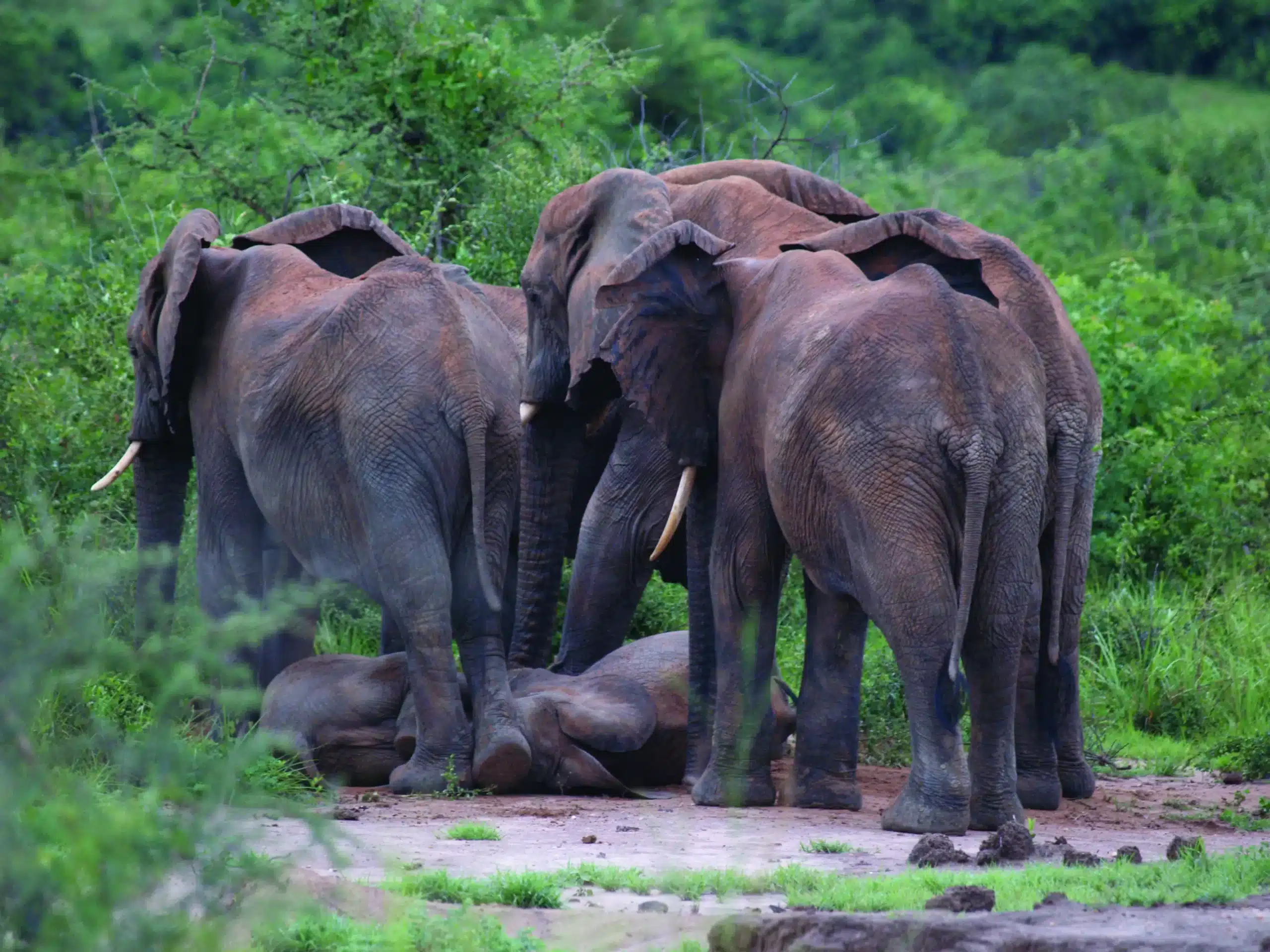
The bonds between family members manifest in numerous observable behaviors. For instance, elephants greet one another after separations with elaborate ceremonies involving vocalizations and temporal gland secretions. Additionally, ear spreading and trunk contact feature prominently in these interactions. Moreover, they show distress when family members die by remaining with the body and trying to rouse the individual. Subsequently, they return to visit the bones even years later.
Multiple observations document elephants gently touching the bones of deceased family members using their trunks and feet in these investigations. Importantly, this behavior suggests some form of recognition or mourning. Consequently, the emotional capacity this implies has profound implications that affect how we should view elephants ethically and legally.
Male Elephant Social Development
Male elephants follow a different social trajectory than females. Typically, young males remain with their maternal family until reaching sexual maturity between 10 and 15 years of age. At this point, they gradually spend more time alone while associating with other males increasingly. Eventually, they leave the family group entirely.
This departure often occurs through a gradual process rather than sudden expulsion. Initially, the young male begins taking longer foraging trips away from the group. Subsequently, he spends days or weeks away before returning. Finally, he leaves permanently to live as an independent bull or joins loose aggregations of other males.
Adult Male Social Life
Adult male elephants lead largely solitary lives. Nevertheless, they maintain social connections with other bulls while occasionally associating with female groups. The male hierarchy operates through a dominance system where size, age, and tusk development determine status. Generally, bulls assess one another through various displays and typically establish dominance without physical combat. However, serious fights occasionally occur when males are evenly matched.
The musth period plays a crucial role in male reproduction through elevated testosterone levels and heightened aggression. During musth, bulls actively seek out females in estrus while competing aggressively with other males for mating opportunities. Significantly, musth males receive deference from non-musth bulls. Additionally, females show preference for musth males when choosing mates.
Multi-Modal Communication Systems
Communication among elephants occurs through multiple sensory channels simultaneously. Remarkably, they produce a wide range of vocalizations. For example, trumpeting calls warn of danger while low-frequency rumbles travel several miles through the ground. Notably, these infrasonic calls exist below the range of human hearing. Consequently, they allow elephants to coordinate movements and maintain contact across distances of up to six miles.
Researchers have identified over 70 distinct vocal signals, many of which carry specific meanings. For instance, some calls announce the presence of food or water. Meanwhile, others coordinate group movements. Additionally, some appear to serve purely social functions. Ultimately, the complexity of elephant communication suggests sophisticated cognitive abilities.
Seismic Communication Through the Ground
The ability to detect vibrations through their feet adds another dimension to elephant communication. Specifically, sensitive nerve endings in the feet and trunk tip detect seismic signals that other elephants produce while walking or calling. This sensory capability proves particularly valuable in dense forests where visibility remains limited. Furthermore, it helps in situations where silence is necessary to avoid detection by predators or humans.
Chemical Communication Methods
Chemical communication through temporal gland secretions provides additional information. Similarly, urine and feces also convey chemical messages about identity and emotional state. Moreover, they indicate reproductive condition to other elephants. Regularly, elephants investigate the chemical signals left by other individuals by using their trunks to sample and analyze compounds.
Males show particular interest in female urine, testing it thoroughly using a behavior called flehmen to determine reproductive status. Specifically, the flehmen response involves curling the trunk and exposing the vomeronasal organ, a specialized structure that detects pheromones and other chemical signals.
Cognitive Abilities and Intelligence
The cognitive abilities of elephants match their social complexity impressively. Notably, they demonstrate self-awareness by recognizing themselves in mirrors. This capability is shared with only a handful of other species including great apes, dolphins, and corvids. Furthermore, they show evidence of empathy and altruism by helping injured or distressed group members. Remarkably, they even assist other species in trouble.
Elephants display impressive problem-solving abilities and use tools in various contexts. For example, they employ sticks to scratch hard-to-reach areas while using branches to swat flies. Additionally, they modify objects to achieve specific goals. Captive elephants have learned to paint and respond to dozens of verbal commands. Moreover, they solve complex puzzles requiring multiple steps.
Wild elephants devise innovative solutions to challenges such as bypassing electric fences through various methods while accessing crops protected by various deterrents. Interestingly, some populations have learned to break beehive fences by waiting for the least dangerous moment to cross. Therefore, this demonstrates learning and planning abilities.
Diet, Feeding Behavior, and Ecological Impact
Daily Feeding Requirements
The feeding behavior of elephants shapes entire ecosystems while their influence extends across vast landscapes. Specifically, they affect plant communities through selective feeding and create habitat for other species through their activities. Additionally, they drive nutrient cycling across regions. Ultimately, their role as megaherbivores makes them keystone species whose presence or absence fundamentally alters ecological processes.
Elephants qualify as bulk feeders with enormous appetites. Typically, they consume between 200 and 600 pounds of vegetation daily depending on body size and food quality. Consequently, this enormous intake requirement means elephants spend 12 to 18 hours each day feeding. Brief rest periods occur primarily during the hottest part of the day, although even these rest periods often include some feeding activity.
Their digestive system operates with relatively low efficiency, extracting only about 40 to 50 percent of the nutrition from consumed food. Therefore, this inefficiency necessitates constant feeding to meet energy needs. However, it provides an unexpected ecological benefit since undigested seeds pass through the digestive system intact and remain capable of germination after passing through.
Seasonal Dietary Variations
The diet composition varies significantly between species and seasons. For instance, African savanna elephants feed primarily on grasses during the wet season when fresh growth provides abundant nutrition. However, as the dry season progresses and grass quality declines, they shift to browsing on trees and shrubs while consuming leaves, bark, branches, and even entire trees.
Some individuals develop specializations in feeding techniques, becoming expert bark strippers who can efficiently remove bark from particular tree species. Meanwhile, others learn to target specific trees based on which species provide palatability or nutritional value during different seasons. Importantly, this knowledge transfers across generations through observation and learning.
Forest Elephant Diet and Seed Dispersal
Forest elephants maintain a more consistent diet year-round. Notably, fruits comprise a major component when available. Furthermore, they show strong preferences for certain fruit species while timing their movements to coincide with fruiting seasons of preferred plants. Impressively, these elephants can detect ripe fruit from considerable distances, possibly using smell to locate productive trees.
Their fruit consumption and seed dispersal services prove critical for forest ecology. Specifically, many large-seeded tree species depend almost entirely on elephants for dispersal. Moreover, seeds that pass through elephant digestive systems often show improved germination rates compared to uneaten seeds. Consequently, stomach acids soften hard seed coats, which facilitates germination after deposition.
Asia Elephant Dietary Flexibility
The Asia elephant diet reflects the diverse habitats these animals occupy. For example, they consume grasses and bamboo in some areas while eating bark, leaves, and roots in others. Increasingly, cultivated crops have become important food sources in many regions. In some areas, Asia elephants have become heavily reliant on agricultural lands where they feed extensively on crops like rice, sugarcane, and bananas.
This dietary flexibility has allowed them to persist in modified landscapes. However, it has created significant conflict with human communities where farmers suffer crop losses that threaten their livelihoods. Consequently, this drives retaliatory killing and reduces support for conservation efforts.
Ecosystem Engineering Through Feeding
The impact of elephant feeding extends far beyond simple consumption. When elephants push over trees, they create gaps in forest canopies that allow sunlight to reach the ground. Subsequently, this stimulates growth of shade-intolerant plants. Additionally, the fallen trees provide habitat for numerous insects while fungi colonize the wood and begin decomposition. Then, other organisms join this community.
Small vertebrates use fallen logs for shelter and foraging sites while carnivores hunt along these structures. In savanna ecosystems, elephant feeding prevents woodlands from becoming closed-canopy forests and maintains the mixed woodland-grassland mosaic. Consequently, this habitat supports diverse wildlife communities since many species depend on this habitat structure.
Water Source Creation and Maintenance
Elephants create and maintain water sources through their excavation behavior. During dry seasons, they dig in sandy riverbeds to reach underground water while creating wells that may be several feet deep. Consequently, these wells provide crucial water access for numerous other species that lack the size or strength to dig their own wells.
The wells may remain functional for weeks or months, serving as wildlife water sources until rains refill natural pools. Therefore, this ecosystem service proves critical during severe droughts when many species survive only because elephants provide access to water.
Mineral Acquisition Behaviors
Salt and mineral acquisition drives some of the most dramatic elephant behaviors. Notably, elephants travel long distances to reach natural salt licks where they consume mineral-rich soil at these locations. In some places, particularly in East Africa, elephants have excavated extensive cave systems to mine for salt deep underground over many generations.
Mount Elgon in Kenya contains several such caves where elephants have removed tons of rock over thousands of years. Impressively, they access mineral deposits deep within the mountain while navigating these caves in complete darkness. Moreover, they use their trunks and spatial memory to avoid obstacles and reach the mineral sources through memorized routes passed down through generations.
Reproduction, Calf Development, and Maternal Care
Sexual Maturity and Breeding System
Elephant reproduction represents one of the longest and most complex processes in the animal kingdom. Notably, extended gestation characterizes the reproductive cycle while prolonged infancy requires intensive maternal care. Furthermore, multi-year maternal investment rivals or exceeds that seen in primates. Ultimately, this investment strategy produces highly developed offspring with excellent survival chances.
Female elephants typically reach sexual maturity between 10 and 14 years of age while physical maturity continues into their late teens. Similarly, males mature sexually at a similar age. However, they rarely achieve breeding success until their late twenties or thirties when they have grown large enough to compete effectively with older bulls. Consequently, this delayed male reproductive success creates an age-skewed breeding system where a small number of older bulls father the majority of calves.
The Estrous Cycle and Mating
The elephant estrous cycle lasts approximately 16 weeks, representing one of the longest cycles in the animal kingdom. Notably, females remain receptive for only a few days during each cycle, creating limited windows for successful mating. When a female enters estrus, she produces specific vocalizations while emitting chemical signals that attract males from considerable distances.

Multiple bulls may converge on a receptive female, leading to intense competition among males. Significantly, the musth condition gives bulls a competitive advantage during these encounters. Additionally, females show preference for musth males while other bulls typically defer to them. Generally, the largest, most dominant musth male achieves mating success.
Gestation and Birth
Gestation extends for approximately 22 months, representing the longest gestation period of any mammal. Notably, this extended development period allows calves to reach an advanced stage of neurological development while physical development also progresses significantly before birth. Consequently, this improves survival chances in the challenging environments elephants inhabit.
Pregnant females continue their normal activities throughout most of gestation and only show obvious pregnancy signs in the final few months. Typically, birth occurs within the protection of the family group, often at night when predators are less active. During this vulnerable time, other females form a protective circle around the laboring mother while providing security and support during the birth process.
Newborn Characteristics and Early Development
Newborn calves weigh between 200 and 260 pounds while standing approximately three feet tall at birth. Remarkably, they can walk within hours of birth, representing an essential capability for a species that must remain mobile. Specifically, they need to access resources and avoid predators from the start. However, the calf remains remarkably helpless in many ways despite this mobility since it possesses limited trunk control initially and requires intensive maternal care for survival.
The mother provides constant attention in the first days and weeks. For instance, she helps the calf to its feet if it falls while guiding it during movements. Additionally, she defends it vigorously against any threats. Moreover, other family members also participate in protection and care, creating a secure environment for the vulnerable infant.
Nursing and Nutritional Development
Calves nurse frequently during their first year, consuming several gallons of milk daily. Notably, elephant milk contains high fat and protein content that supports rapid growth essential for survival. While calves begin experimenting with solid food within a few months, milk remains their primary nutrition source and continues for the first two years of life.
Weaning typically occurs between two and four years of age. However, timing depends on whether the mother has produced another calf. If a new calf arrives, the older sibling faces somewhat abrupt weaning. Nevertheless, it continues receiving care and protection from the family where the social bonds remain strong even after nutritional independence.
Learning to Feed Like an Adult
The development of feeding skills requires extensive learning over several years. Carefully, young elephants watch their mothers and other family members closely to learn which plants to eat through observation. Additionally, they discover how to process different food types while understanding where to find resources during different seasons. Often, calves place their trunks in their mother’s mouth while she feeds to directly sample the plants she selects.
This behavior provides both sensory information about food choices and possibly transfers gut bacteria necessary for digesting certain plant materials. Importantly, the gut microbiome plays an essential role in herbivore digestion. Therefore, early exposure to appropriate bacteria may facilitate digestive development.
Mastering Trunk Control
Trunk skill development follows a prolonged trajectory with multiple stages. Initially, newborns seem unsure of their trunk’s purpose and sometimes step on it accidentally while swinging it aimlessly without clear intent. Gradually, they learn to use it for drinking. At first, calves kneel to drink directly with their mouths before eventually mastering the technique of drawing water into the trunk and then transferring it to the mouth.
Full trunk dexterity requires three to four years of practice. During this learning period, calves drop objects frequently while misjudging distances regularly and generally displaying endearing clumsiness. Eventually, patient practice produces the remarkable dexterity adults display. Ultimately, the trunk becomes an extension of their will and consciousness.
The Allomothering System
The entire family participates in calf rearing through a system called allomothering. Specifically, older siblings take turns watching calves while aunts and grandmothers provide protection and assistance. Consequently, this distributed care system provides mothers with opportunities to feed efficiently while ensuring calves receive constant supervision even when mothers must focus on feeding.
It also provides crucial learning opportunities for young females who will eventually raise their own offspring. Notably, inexperienced first-time mothers receive assistance and guidance from older, more experienced females. Therefore, this improves survival rates for both mother and calf. Ultimately, the knowledge transfer across generations ensures successful reproduction.
Infant Mortality and Survival Factors
Infant mortality rates vary considerably depending on environmental conditions. Additionally, predation pressure affects survival in some areas while human disturbance impacts calf survival significantly. In stable populations with good habitat, approximately 70 to 80 percent of calves survive their first year. However, during droughts or in areas with high poaching rates, survival can drop below 50 percent.
The investment required to raise a calf makes each loss significant. Consequently, mothers and family groups display clear distress when calves die where the emotional impact extends throughout the family. Often, elephants remain with dead calves for extended periods while attempting to revive them through various behaviors. Therefore, this suggests deep emotional bonds and genuine grief.
The Extended Juvenile Period
The extended juvenile period lasts until elephants reach full physical maturity in their late teens or early twenties. Throughout this period, young elephants continue learning and acquiring knowledge about seasonal patterns while understanding social relationships and hierarchies. Additionally, they learn appropriate behaviors in different situations and discover their place in the social structure.
This prolonged learning period contributes to the remarkable behavioral flexibility elephants display while enabling their ability to adapt to changing conditions. Ultimately, the knowledge accumulated during these years determines lifetime success and affects survival, reproduction, and social status.
Conservation Status and Modern Threats
Population Decline Across All Species
The conservation situation facing elephants represents one of the most urgent wildlife crises of our time. Currently, all three species experience severe population declines along with range contractions. Understanding the specific threats and their impacts requires examining both historical context and current realities. Notably, the crisis has developed over more than a century while continuing to accelerate in many regions.
The African elephant population has declined dramatically over the past century. Historically, an estimated 3 to 5 million individuals existed at the turn of the 20th century. However, today approximately 415,000 remain. Therefore, this represents a loss of over 90 percent of the population occurring in little more than a century. Significantly, the rate of loss has varied across decades where some periods saw more intense killing than others.
The Forest Elephant Crisis
The forest
elephant situation proves even more dire than that of savanna elephants. Alarmingly, recent surveys provide troubling numbers since only 30,000 to 40,000 forest elephants remain across their entire range. Consequently, this represents a decline of more than 80 percent that occurred over the past three decades. Moreover, the rate of decline has accelerated in recent years where some populations have been completely eliminated.
Asia Elephant Fragmentation
The Asia elephant population currently numbers between 40,000 and 50,000 individuals. However, these animals are fragmented across 13 countries where many populations contain fewer than 100 individuals. Unfortunately, small populations face elevated extinction risks since they lack genetic diversity necessary for long-term viability. Additionally, they cannot withstand environmental perturbations or disease outbreaks.
The Ongoing Poaching Crisis
Poaching for ivory has driven elephant declines throughout history. Notably, several particularly devastating periods stand out. For instance, the 1970s and 1980s saw massive slaughter where African elephant numbers were reduced by half during this period. Subsequently, international ivory trade bans implemented in 1989 provided temporary relief. However, poaching resurged dramatically beginning around 2007.
Demand from Asian markets, particularly China, drove ivory prices to record levels. Between 2010 and 2014, poachers killed an estimated 100,000 African elephants specifically targeting the animals for their tusks. Tragically, forest elephants suffered disproportionately during this period where poaching rates in some areas exceeded 90 percent of the population. Consequently, entire populations disappeared from regions they had inhabited for millennia.
Modern Poaching Methods and Networks
The mechanics of modern poaching have evolved significantly over recent decades. Currently, criminal syndicates employ sophisticated operations using automatic weapons for killing. Additionally, night vision equipment helps locate elephants after dark. Furthermore, some operations even use helicopters for transportation and surveillance. Increasingly, poachers target elephants in remote areas while focusing on protected parks where enforcement proves difficult.
The ivory moves through complex trafficking networks after being harvested. Typically, it passes through multiple countries before reaching consumer markets. Despite international bans, domestic ivory markets in several countries continue operating where these provide legal cover for laundering illegal ivory. Unfortunately, distinguishing legal from illegal ivory proves nearly impossible. Consequently, this enables continued trade despite regulations.
Habitat Loss and Fragmentation
Habitat loss represents an equally serious but less visible threat than poaching. Notably, human population growth across Africa and Asia has converted vast areas where elephant habitat has become agriculture and settlements. Additionally, infrastructure development fragments remaining habitat as roads cut through elephant ranges. Therefore, they prevent elephant movements and isolate populations.
In Asia, human density far exceeds that in Africa. Consequently, elephants increasingly survive only in small, disconnected forest patches. These isolated populations face genetic problems from inbreeding while lacking the population sizes necessary for long-term viability. Eventually, local extinction becomes inevitable without intervention since gene flow between populations has been disrupted. Thus, this reduces adaptive capacity and resilience.
The Escalation of Human-Elephant Conflict
Human-elephant conflict has escalated as elephants and people increasingly occupy the same spaces. Frequently, elephants raid crops with devastating consequences where they sometimes destroy an entire season’s harvest in a single night. Consequently, farmers suffer significant economic losses while some face starvation when subsistence crops are destroyed. Therefore, this creates genuine humanitarian crises in affected communities.
People erect electric fences to protect their crops while digging trenches around fields. Additionally, they employ various deterrents with mixed success. However, some methods work temporarily before elephants learn to overcome them. Subsequently, retaliatory killing occurs when frustrated farmers take matters into their own hands by poisoning or shooting elephants that repeatedly damage crops.
In some areas, elephants kill dozens of people annually by crushing people during crop raids. Additionally, deaths occur when people venture into elephant habitat. Consequently, this conflict undermines local support for conservation while creating genuine hardship for rural communities. Ultimately, finding solutions that protect both people and elephants proves challenging.
Climate Change Impacts
Climate change adds new pressures to already stressed populations. Notably, increasing drought frequency affects water availability while drought intensity has increased in many regions. Consequently, this affects water availability and food resources dramatically. Since elephants require enormous quantities of water daily, this makes them particularly vulnerable to prolonged dry periods.
Changes in rainfall patterns alter vegetation growth cycles, potentially disrupting the seasonal movements elephants have followed for generations. As climate change accelerates, elephants may need to shift their ranges to track suitable habitat as conditions change. However, human development often blocks these potential movements. Therefore, elephants cannot adapt through range shifts when barriers prevent movement.
Disease Threats to Populations
Disease outbreaks pose additional risks to elephant populations. Previously, populations have experienced mortality events from various pathogens. For instance, anthrax has killed elephants in several locations while encephalomyocarditis virus has caused deaths. Periodically, other pathogens emerge as threats. A mysterious die-off in Botswana in 2020 killed over 350 elephants before investigations identified naturally occurring toxins produced by cyanobacteria as the likely cause.
Dense populations in small protected areas may face increased disease risks since crowding facilitates pathogen transmission between individuals. Consequently, this increases outbreak probability and severity. Additionally, climate change may alter disease dynamics as warmer temperatures may favor certain pathogens. Furthermore, drought stress may increase susceptibility to disease.
Conservation Response Strategies
The conservation response to these threats includes multiple strategies working in concert. Notably, anti-poaching efforts have intensified across elephant range states where ranger numbers have increased in many protected areas. Additionally, improved equipment and training enhance effectiveness. Technology deployment includes drones for surveillance while camera traps detect poaching activity. Consequently, these tools multiply the effectiveness of limited ranger forces.
Several countries have destroyed their ivory stockpiles publicly. Therefore, this eliminates potential supplies that could enter markets while demonstrating commitment to conservation. Moreover, the symbolic value sends important messages to poachers and consumers. Community-based conservation programs work to reduce human-elephant conflict while providing economic benefits to local people through various mechanisms. Specifically, tourism revenue sharing creates financial incentives while employment opportunities arise from conservation activities. Additionally, compensation programs address crop damage losses.
Translocation and Population Management
Translocation programs move elephants from areas with human-elephant conflict and relocate them to protected areas with available habitat. While logistically challenging and expensive, these operations can provide benefits by relieving pressure on both elephants and communities. Furthermore, they boost populations in areas where elephants have been eliminated. However, successful translocations require careful planning where adequate preparation of release sites proves essential. Additionally, long-term monitoring of moved animals ensures success.
International Cooperation Efforts
International cooperation has improved through various mechanisms. Notably, treaties and agreements provide frameworks for coordinated action. The Convention on International Trade in Endangered Species regulates international wildlife trade including ivory and other elephant products. Additionally, regional agreements facilitate cooperation among elephant range states to combat poaching and trafficking together. Intelligence sharing between law enforcement agencies has led to major arrests where trafficking kingpins have been captured through these efforts.
Consumer awareness campaigns in ivory-buying countries have begun shifting attitudes. Particularly, younger generations increasingly reject ivory products where they view ivory ownership as unethical. Celebrity endorsements amplify conservation messages while documentary films reach millions of people. Moreover, social media campaigns spread awareness rapidly. China’s closure of its legal domestic ivory market in 2017 represented a major victory that removed a major source of demand. However, illegal trade continues in various forms.
Ongoing Challenges Despite Progress
Despite these efforts, elephant populations in many areas continue declining. Notably, success stories exist in southern Africa where some populations have grown in protected areas. Consequently, this creates new challenges of managing elephants in limited spaces. However, across much of their range, the situation remains dire. Particularly, West and Central Africa face severe challenges while parts of Asia see continuing declines. Ultimately, elephants face uncertain futures without major changes where human behavior must shift significantly. Additionally, land use practices require reconsideration while conservation investment must increase substantially.
The Ecological and Economic Value of Elephants
Ecosystem Engineering Services
Beyond their intrinsic worth as intelligent, sentient beings, elephants provide tangible benefits to ecosystems while human communities benefit from their existence. Importantly, these benefits justify conservation efforts on purely practical grounds. Furthermore, understanding these values helps build broader support for elephant protection. Often, economic arguments resonate where ethical arguments alone might not.
The ecosystem engineering role of elephants creates habitat diversity that benefits countless species across landscapes. By knocking down trees, elephants prevent scrubland from converting to closed forests while maintaining savanna ecosystems that support diverse wildlife. Consequently, lions, cheetahs, zebras, and wildebeest depend on these habitats along with numerous antelope species that require open landscapes. Additionally, the paths elephants create through forests become corridors that other animals use extensively. Therefore, they facilitate movement between areas while enabling gene flow among populations.
Water Resource Creation
The waterholes elephants dig provide essential resources. During dry seasons, these water sources prove critical where many species depend on elephant-created water access. Additionally, the wallows they create support unique wetland microhabitats that host specialized plants found nowhere else. Moreover, invertebrates colonize these temporary pools where some species complete their entire life cycles in these ephemeral habitats.
Critical Seed Dispersal Functions
Seed dispersal services provided by elephants prove essential for numerous plant species, particularly in African forests. Specifically, large-seeded tree species produce fruits specifically adapted for elephant consumption through characteristics like tough outer shells that evolved with elephant feeding in mind. Additionally, large size prevents consumption by smaller animals while timing of ripening matches elephant movement patterns. Consequently, these trees depend almost entirely on elephants for seed dispersal since no other animal can swallow and transport such large seeds across sufficient distances.
The loss of elephants from forests leads to measurable declines where these tree species decrease in abundance over time. Therefore, this fundamentally alters forest composition while reducing diversity across the ecosystem. Research has demonstrated clear differences where African forests with elephants show different tree community compositions compared to forests where elephants have been eliminated.
Forest Structure Changes Without Elephants
Elephant-free forests accumulate more small trees over time while supporting fewer large trees than forests with elephants. Since elephants preferentially feed on certain species, they disperse others through their movements and defecation. Consequently, the removal of elephants tips the balance where species that reproduce without requiring animal dispersal increase. Gradually, this homogenizes forest structure. The process occurs over decades, making it difficult to observe directly. However, comparisons of forests with and without elephants reveal clear patterns.
Tourism Economic Value
The economic value of elephants primarily derives from tourism activities. Annually, wildlife viewing generates billions of dollars across Africa and Asia. Notably, elephants serve as flagship species that attract visitors where people travel long distances specifically to see elephants. Countries like Kenya, Tanzania, Botswana, and South Africa depend heavily on this revenue. Subsequently, wildlife tourism supports national economies significantly while providing employment for millions of people across sectors.
Individual elephants generate impressive lifetime value through tourism alone. Specifically, analyses in Kenya estimated economic impact carefully where a single living elephant generates approximately $1.6 million in tourism revenue. This occurs over its lifetime through various mechanisms. In contrast, this compares to the few thousand dollars its ivory might bring where poachers receive only a tiny fraction of the ivory’s ultimate value. Therefore, the economic argument for conservation proves compelling.
Community Benefits from Conservation
Local communities near elephant populations can benefit significantly from conservation. However, appropriate mechanisms must distribute tourism revenue fairly. Notably, community conservancies in Kenya and Namibia provide direct payments where landowners who maintain wildlife habitat receive compensation. Consequently, this creates powerful economic incentives for conservation. Employment in tourism lodges provides income opportunities while guiding services employ local people. Additionally, park operations create jobs in rural areas that often have few alternative employment options.
These benefits materialize only when governance structures work properly. Specifically, equitable distribution requires transparency and accountability. Unfortunately, corruption can divert funds away from intended beneficiaries, undermining conservation support among local people. Therefore, successful programs require careful design and monitoring.
Cultural and Spiritual Significance
The cultural and spiritual value of elephants extends across human societies worldwide. Prominently, Hinduism reveres Ganesha as a major deity where this elephant-headed god represents wisdom and fortune. Consequently, this makes elephants sacred in India and throughout South Asia. Similarly, Buddhism associates elephants with mental strength while they symbolize responsibility in Buddhist teachings. Additionally, white elephants hold particular significance in several Asian cultures.
African cultures incorporate elephants into traditional beliefs extensively where they appear in art and storytelling across the continent. Meanwhile, Western societies view elephants as symbols of memory while representing wisdom and family bonds in popular culture. Ultimately, this cultural significance creates conservation constituencies that extend beyond those with direct economic interests. Thus, emotional connections to elephants span cultures and continents.
Scientific Research Value
Scientific value represents another important consideration in conservation. Notably, elephants provide insights into evolution and adaptation while intelligence research reveals remarkable cognitive capabilities. Furthermore, social behavior studies offer lessons applicable to other species where conservation biology benefits from elephant research. Research on elephant cognition has revealed remarkable capabilities that challenge our understanding of animal minds. Moreover, they inform broader questions about consciousness while addressing the nature of self-awareness across species.
Studies of elephant social structures offer lessons that apply to conservation of other social species. Particularly, group dynamics in elephants parallel those in primates. The longevity of elephants allows long-term research where researchers track individuals across decades. Consequently, this provides unique opportunities to examine life histories. Additionally, reproductive success across lifetimes can be measured where environmental influences on fitness become clear through long-term study.
Effective Conservation Strategies and Future Directions
Protected Area Networks as Foundation
Protecting elephants for future generations requires comprehensive approaches that address multiple threats simultaneously. Importantly, sustainable relationships between elephants and human communities must develop. Successful strategies combine law enforcement with habitat protection while community engagement proves essential. Additionally, international cooperation multiplies effectiveness.
Protected area networks form the foundation of elephant conservation efforts. Specifically, national parks provide refuges where elephants can live safely. Similarly, reserves offer protection from human interference while conservancies extend protection across larger landscapes. However, effective protection requires adequate funding for multiple activities where ranger patrols must cover vast areas. Additionally, anti-poaching operations require resources and equipment. Moreover, habitat management activities need ongoing support.
Funding Challenges and Solutions
Many parks suffer from insufficient budgets that reduce their effectiveness significantly. Consequently, managers must prioritize the most critical threats while they cannot fully protect resources with limited means. Nevertheless, international funding helps fill these gaps. Specifically, donor governments provide crucial support while conservation organizations contribute resources. Additionally, multilateral development banks invest in conservation. However, sustainable financing remains challenging across range states.
Habitat Connectivity and Corridors
Expanding protected areas addresses habitat fragmentation directly. Meanwhile, establishing wildlife corridors between isolated populations enables movement where corridors allow elephants to move safely between protected areas. Consequently, this maintains gene flow between populations while providing access to seasonal resources across landscapes. However, implementation requires cooperation from multiple stakeholders. Specifically, governments must participate in planning and enforcement. Additionally, private landowners control critical lands while local communities live in potential corridor areas.
Conservation easements create corridors without requiring government ownership. Similarly, land purchases protect key bottlenecks while agreements with landowners allow elephant passage. These approaches work best where human population density remains relatively low and economic alternatives for landowners facilitate agreements.
Community-Based Conservation Approaches
Community-based conservation recognizes an important reality. Specifically, local people must benefit from living alongside elephants. Ultimately, conservation cannot succeed long-term without local support. Programs that share tourism revenue build goodwill while employment opportunities create stakeholders in conservation. Additionally, compensation for crop damage addresses legitimate grievances. Consequently, these mechanisms align local interests with conservation goals.
Conservation agriculture techniques help farmers protect crops. For instance, chili pepper fences deter elephants through capsaicin irritation. Similarly, beehive fences exploit elephant fear of bees. Additionally, improved early warning systems alert communities to approaching elephants. Consequently, these approaches reduce conflict significantly while avoiding lethal control measures that decrease populations. Moreover, they maintain social structures that regulate elephant behavior.
Technology in Conservation
Innovative technologies improve conservation effectiveness in multiple ways. Specifically, GPS tracking collars provide detailed information where elephant movements become documented precisely. Additionally, habitat use patterns emerge from tracking data while ranging patterns inform management decisions. Consequently, this data guides conservation planning while helping prevent human-elephant conflict through early warning. Subsequently, communities receive alerts when collared elephants approach settlements.
Drones conduct aerial surveys more efficiently where they cover more ground than traditional methods. Additionally, they support anti-poaching patrols from above. Camera traps document elephant populations without human presence while detecting poaching activity in real time. Moreover, genetic analyses identify population structures and estimate population sizes more accurately. Furthermore, they track ivory from crime scenes, determining source populations and trafficking routes.
Reducing Ivory Demand
Demand reduction in ivory consuming countries represents a critical component. Notably, anti-poaching efforts alone cannot succeed without this. Public awareness campaigns highlight elephant conservation needs while exposing the cruelty of poaching. Consequently, these have begun changing attitudes in consuming countries where younger generations particularly show shifting values. Celebrity endorsements amplify conservation messages while documentary films reach millions of people with compelling stories. Additionally, social media campaigns spread awareness rapidly.
Several countries have closed domestic ivory markets. Therefore, this eliminates legal channels that facilitated laundering. Particularly, China’s market closure in 2017 was significant. Continued pressure on remaining markets will help while stigmatization of ivory ownership changes social norms. Consequently, this reduces demand at its source.
International Cooperation Frameworks
International cooperation through treaties provides frameworks that enable coordinated action across borders. Notably, the Convention on International Trade in Endangered Species regulates wildlife trade globally including ivory and other elephant products. Additionally, regional agreements facilitate cooperation among elephant range states where they work together to combat poaching and coordinate on trafficking interdiction.
Intelligence sharing between law enforcement agencies has produced results where major arrests of trafficking kingpins have occurred. Importantly, these cooperative efforts must continue expanding to match the sophistication of trafficking networks. Since criminal syndicates operate across borders, law enforcement must do the same.
Translocation and Reintroduction Programs
Translocation programs move elephants from areas with human-elephant conflict and relocate them to protected areas with available habitat. While logistically challenging and expensive, these operations can provide benefits by relieving pressure on both elephants and communities. Furthermore, they boost populations in areas where elephants have been eliminated. However, successful translocations require careful planning where adequate preparation of release sites proves essential. Additionally, long-term monitoring of moved animals ensures success.
Ongoing Research Needs
Research continues advancing conservation knowledge in important ways. Specifically, long-term studies tracking elephant populations provide essential data where population trends become clear over time. Additionally, reproductive rates can be measured accurately while survival rates inform management decisions. Behavioral research reveals how elephants respond to various threats and shows how they react to conservation interventions.
Studies of elephant cognition and communication deepen understanding where these make elephants more relatable to people. Consequently, they strengthen arguments for protection. Conservation biology research tests different management approaches while identifying best practices through rigorous evaluation. Ultimately, adaptive management uses research findings to improve conservation.
The Path Forward
The future of elephants depends on maintaining current populations. Simultaneously, we must address the underlying drivers of decline. This requires sustained investment in conservation over decades while continued reduction in ivory demand remains essential. Additionally, equitable approaches that benefit local communities must expand. Moreover, political will to prioritize wildlife protection must strengthen across range states.
The challenges are substantial but not insurmountable. With appropriate commitment and resources, elephants can continue thriving as integral parts of African and Asian ecosystems. Ultimately, the choice belongs to current human generations where our decisions today will determine whether future generations inherit a world with elephants.
Conclusion
The elephant represents far more than a charismatic megafauna species while transcending its role as a tourism attraction. Remarkably, these animals embody millions of years of evolution and demonstrate sophisticated intelligence across many domains. Furthermore, they maintain complex social structures rivaling primate societies while performing essential ecological roles. Consequently, these roles shape entire ecosystems across continents.
The three species face different but related challenges. Currently, African savanna elephants decline in many areas while forest elephants teeter on the brink. Meanwhile, Asia elephants survive in isolated fragments. Each faces severe threats that have driven massive population declines. Tragically, extinction looms within coming decades and will occur without sustained conservation action.
Understanding elephants requires appreciating multiple dimensions. Notably, their physical adaptations prove remarkable where the versatile trunk represents evolutionary innovation. Additionally, the remarkable foot structure supports several tons while allowing nearly silent movement simultaneously. Their social systems rival primate societies in complexity where matriarchal family groups maintain bonds across generations and transmit knowledge accumulated over decades.
The cognitive abilities elephants display challenge simplistic views. Moreover, their emotional capacities underscore our ethical obligations toward these sentient beings who deserve our respect and protection. The conservation challenges prove daunting yet remain surmountable. Specifically, poaching for ivory threatens populations while habitat loss continues across their range. Additionally, human-elephant conflict escalates yearly as climate change adds new pressures. Nevertheless, solutions exist for each problem.
Effective anti-poaching enforcement reduces killing while protected area networks provide refuges. Furthermore, community-based conservation builds local support as demand reduction in ivory markets removes incentives for poaching. However, success requires sustained commitment over decades where adequate resources must flow to conservation. Additionally, international cooperation must strengthen while recognition that human wellbeing and elephant conservation can coexist must spread.
The value elephants provide extends beyond intrinsic worth. Importantly, they deliver essential ecosystem services where seed dispersal maintains forest diversity. Additionally, habitat creation benefits countless species while nutrient cycling occurs across vast landscapes. Economic benefits through tourism prove substantial as millions of dollars flow from wildlife viewing. Moreover, cultural significance spans societies and continents while scientific insights advance multiple disciplines.
Looking forward, elephant conservation requires adaptive approaches that respond to changing conditions while core strategies must remain consistent. Specifically, expanding protected areas protects habitat. Additionally, reducing ivory demand removes threats while supporting local communities builds constituencies. Moreover, investing in research and monitoring improves effectiveness.
New technologies offer opportunities where GPS tracking prevents conflict. Additionally, genetic analyses inform management decisions. International cooperation must strengthen continuously to match the sophistication of trafficking networks that drive poaching across continents.
The fate of elephants ultimately depends on human choices. Particularly, land use decisions affect habitat availability while consumption patterns drive ivory demand. Additionally, conservation priorities determine resource allocation. We possess the knowledge necessary for elephant conservation while having the tools required for success. However, the question is whether we will make the commitments required. These magnificent animals deserve to continue enriching our world where future generations deserve to share the planet with elephants.
The answer to that question says as much about humanity while speaking to our values and priorities. Moreover, it reflects our relationship with the natural world and determines what kind of planet we bequeath to our descendants.
Frequently Asked Questions
Q1: What is the difference between African elephants and Asia elephants?
African elephants are larger with bigger ears shaped like the African continent. Additionally, both males and females typically have tusks. In contrast, Asia elephants are smaller with rounded ears where only some males develop prominent tusks. Moreover, African elephants have a concave back while Asia elephants have a rounded back with the highest point on the head.
Q2: How long do elephants live in the wild?
Wild elephants typically live 60 to 70 years. Generally, females often live longer than males. In protected areas with good habitat and minimal human disturbance, some elephants reach their mid-seventies. Remarkably, the oldest recorded wild elephant was estimated at 86 years old in Kenya.
Q3: Why are forest elephants important for rainforest ecosystems?
Forest elephants serve as critical seed dispersers for large-seeded tree species. Specifically, many trees depend almost entirely on them for reproduction. Additionally, they create pathways through dense vegetation used by other animals. Moreover, they dig water sources during dry seasons while maintaining forest diversity through their selective feeding patterns. Consequently, this prevents certain tree species from dominating.
Q4: How do elephants communicate over long distances?
Elephants produce low-frequency infrasonic calls that exist below human hearing range. Notably, they travel several miles through the ground. Subsequently, other elephants detect these vibrations through sensitive nerve endings in their feet and trunk. Consequently, this allows them to coordinate movements and maintain contact even when separated by several miles of terrain.
Q5: What are the main threats facing elephants today?
The primary threats include poaching for ivory. Additionally, habitat loss occurs due to human population growth where agriculture expansion converts elephant habitat. Moreover, human-elephant conflict results in retaliatory killings. Furthermore, climate change increasingly affects water availability while impacting food resources across their range. Notably, different elephant populations face different combinations of these threats where location determines which threats prove most severe.