The Complete Guide to Leopards:
Everything You Need to Know About These Magnificent Big Cats
The leopard stands as one of nature’s most adaptable and enigmatic predators, commanding respect across four continents. These solitary hunters possess an extraordinary combination of strength, stealth, and intelligence that has allowed them to survive in environments ranging from dense rainforests to arid deserts. Unlike other big cats that have seen their territories shrink dramatically, leopards continue to thrive in areas where lions and tigers have long disappeared, demonstrating remarkable resilience in the face of human expansion.
Understanding these magnificent creatures requires looking beyond their spotted coats and fearsome reputation. From their hunting techniques to their complex social behaviors, leopards represent a masterclass in evolutionary adaptation. This comprehensive guide explores every aspect of leopard biology, behavior, habitat, and the critical conservation efforts working to secure their future.
Understanding Leopard Biology and Physical Characteristics
Distinctive Physical Features
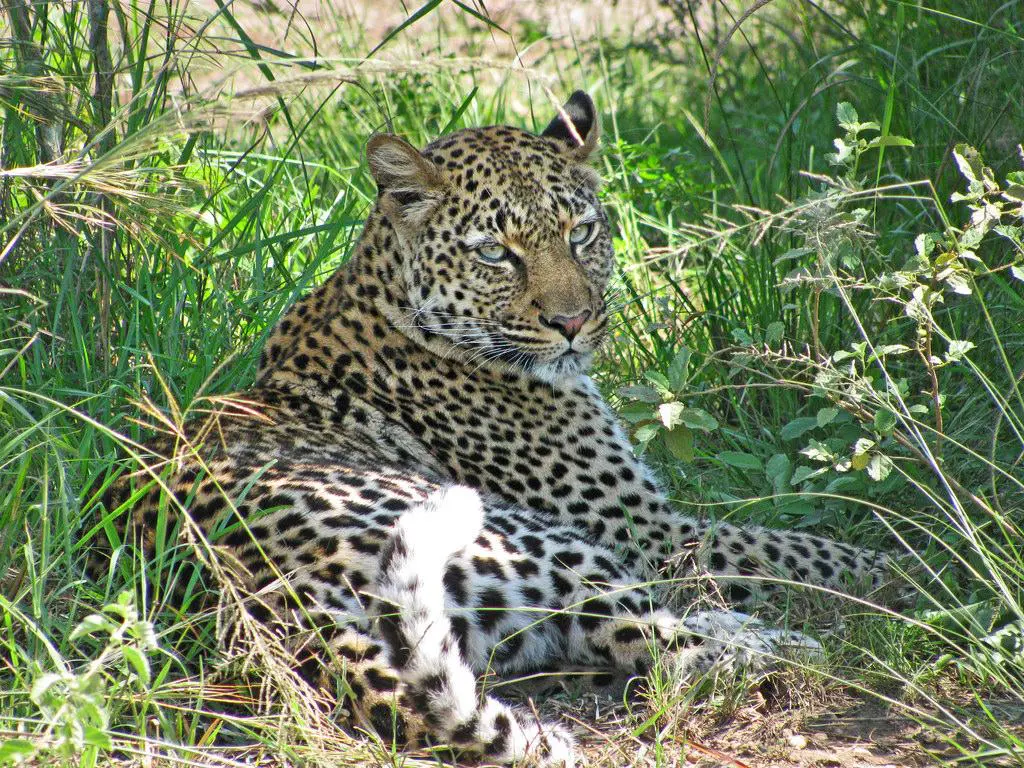
The most recognizable feature of any leopard is its rosette patterned coat, a complex arrangement of spots that serves as perfect camouflage. Each rosette consists of a circular pattern with a tawny center, different from the solid spots found on cheetahs. This pattern varies significantly between individuals, much like human fingerprints, allowing researchers to identify specific animals in the wild.
Adult males typically weigh between 80 to 165 pounds, while females range from 62 to 132 pounds. Body length extends from 36 to 75 inches, with an additional tail measuring 25 to 39 inches. This powerful tail serves multiple purposes: providing balance during tree climbing, acting as a rudder during quick directional changes, and offering stability when dragging heavy prey up vertical surfaces.
Their muscular build concentrates power in the shoulders and neck, enabling them to haul carcasses weighing up to three times their body weight into trees. This incredible strength protects their kills from scavengers and competing predators. The skull structure features robust jaws housing sharp canine teeth measuring up to two inches long, perfectly designed for delivering fatal bites to prey.
Sensory Capabilities
Leopards possess exceptional sensory abilities that make them formidable hunters. Their eyes contain a high concentration of rod cells, providing superior night vision that allows them to see up to seven times better than humans in low light conditions. A reflective layer behind the retina called the tapetum lucidum amplifies available light, giving their eyes that characteristic greenish glow when illuminated at night.
Hearing sensitivity extends far beyond human capability, detecting frequencies up to 45,000 hertz compared to our 20,000 hertz limit. This allows them to hear the subtle movements of small prey hidden in vegetation or underground burrows. Their ears can rotate independently, pinpointing sound sources with remarkable accuracy.
The sense of smell, while not as developed as their vision or hearing, still plays a crucial role in communication and territory marking. Specialized scent glands located on the face, paws, and tail base produce unique chemical signatures that convey information about identity, reproductive status, and territorial boundaries.
Melanistic Variants: Black Panthers Explained
Black panthers are not a separate species but rather melanistic leopards, a genetic variation that produces excess melanin pigmentation. This recessive trait occurs in approximately 11 percent of leopard populations, with higher frequencies in dense forest habitats where darker coloration provides camouflage advantages.
Upon close examination under proper lighting, the characteristic rosette patterns remain visible beneath the black coat, appearing as slightly darker shadows against the dark background. This melanistic form occurs more frequently in Asian leopard populations, particularly in the tropical forests of Malaysia, India, and Java.
Interestingly, melanistic and normally colored cubs can appear in the same litter, demonstrating the genetic complexity of this trait. Despite their dramatic appearance, black panthers possess identical behavioral patterns, hunting techniques, and ecological roles as their spotted counterparts.
Global Distribution and Habitat Preferences
Historical and Current Range
Historically, leopards occupied the largest distribution of any wild cat species, spanning from western Africa through the Middle East, across southern Asia, and into the Russian Far East. This extensive range reflected their remarkable adaptability to diverse environmental conditions and prey availability.
Modern leopard populations have experienced significant range contractions, particularly in North Africa, the Arabian Peninsula, and parts of Asia. However, they still maintain presence across sub Saharan Africa, parts of the Middle East, the Indian subcontinent, Southeast Asia, and isolated populations in the Russian Far East and northern China.
The African leopard represents the most numerous and widespread subspecies, inhabiting savanna woodlands, mountainous regions, and coastal forests. Asian populations face greater fragmentation, existing in isolated pockets separated by human development and agricultural expansion.
Habitat Versatility
Few large predators demonstrate the habitat flexibility exhibited by leopards. They successfully occupy tropical rainforests, where dense vegetation provides perfect stalking cover and abundant prey. In these environments, they spend considerable time in trees, both resting and hunting arboreal prey species.
Savanna and grassland habitats support healthy leopard populations where adequate cover exists along riverine forests and rocky outcrops. These areas provide hunting opportunities for medium sized ungulates while offering elevated vantage points for surveillance and safety.
Mountain environments extending up to 18,000 feet elevation host specialized leopard populations adapted to cold temperatures and rugged terrain. The snow leopard occupies the highest elevations, while common leopards thrive in lower mountain ranges throughout their range.
Even arid and semi arid regions support leopard populations where water sources and sufficient prey densities exist. These adaptable cats adjust their activity patterns and prey preferences to match resource availability, demonstrating behavioral flexibility critical for survival.
Territory and Home Range
Male leopards maintain territories ranging from 12 to 50 square miles, depending on prey density and habitat quality. Prime habitat with abundant prey supports smaller territories, while resource poor areas require larger ranges to meet nutritional needs. These territories typically overlap with several female home ranges, providing mating opportunities while minimizing male to male conflict.
Female territories span 4 to 19 square miles and rarely overlap with other females, except for mothers and their maturing daughters. Territory boundaries are marked through scent marking, scratch marks on trees, and vocalizations that warn competitors while attracting potential mates.
Territory defense involves regular patrols along boundary areas, refreshing scent marks and visual signs every few days. Serious conflicts between males occur when resources become scarce or during breeding season when competition for females intensifies. These confrontations can result in severe injuries or death, making territorial maintenance a constant balancing act between defense costs and resource benefits.
Hunting Behavior and Dietary Patterns
Prey Selection and Hunting Success
Leopards exhibit opportunistic hunting behavior, targeting prey ranging from insects to animals weighing over 400 pounds. However, their preferred prey consists of medium sized ungulates weighing 44 to 132 pounds, including impala, deer, wild pigs, and various antelope species. This size range represents the optimal balance between energy expenditure during hunting and caloric return from successful kills.
Hunting success rates average between 5 and 38 percent, varying based on habitat type, prey species, and hunting conditions. Dense vegetation increases success rates by providing superior stalking cover, while open habitats reduce the element of surprise that leopards rely upon. Nighttime hunts generally produce better results than daytime attempts, leveraging their superior night vision advantage.
Prey selection varies geographically based on availability. African leopards frequently hunt impala, bushbuck, and warthogs. Asian populations target spotted deer, wild boar, and langur monkeys. This dietary flexibility contributes significantly to their widespread success across diverse ecosystems.
Hunting Techniques and Strategies
The leopard hunting strategy relies primarily on stealth and ambush rather than extended pursuit. Hunts typically begin during late afternoon, continuing through the night when prey animals are most active and visibility conditions favor the predator. They move silently through their territory, using all senses to detect potential targets.
Once prey is located, the approach phase begins with extreme caution. Leopards utilize every available piece of cover, moving in slow motion to avoid detection. They position themselves downwind to prevent scent detection and approach to within 16 to 23 feet before initiating the final rush. This explosive sprint can reach speeds of 36 miles per hour over short distances.
The killing technique varies based on prey size. Smaller animals receive a crushing bite to the skull or neck, causing immediate death. Larger prey are brought down with a bite to the throat, suffocating the animal while avoiding dangerous hooves and horns. The entire process from final rush to death typically lasts under five minutes.
Food Storage and Feeding Patterns
The famous tree caching behavior serves multiple crucial functions. By hauling kills into trees, leopards protect their food from stronger competitors like lions and hyenas, which cannot climb as effectively. This behavior also keeps carcasses away from ground dwelling scavengers and reduces spoilage in hot climates where shade and air circulation slow decomposition.
The effort required to cache prey demonstrates impressive strength. Leopards regularly hoist carcasses weighing over 220 pounds into trees over 16 feet high, using their powerful neck and shoulder muscles. They select sturdy horizontal branches that support the weight while remaining accessible for feeding.
Feeding occurs intermittently over several days. After an initial feeding session consuming the most nutritious organs, leopards rest nearby, returning periodically to feed until the carcass is completely consumed or becomes too decomposed. A single large kill can sustain an adult leopard for up to seven days, reducing the energy expenditure and risk associated with constant hunting.
Social Structure and Communication
Solitary Lifestyle and Social Interactions
Leopards maintain predominantly solitary lifestyles, with adults typically avoiding contact except during mating periods. This social structure reduces competition for resources and minimizes conflict that could result in injuries compromising hunting ability. Each individual claims and defends a territory that provides adequate prey, water, and shelter for survival.
Despite this solitary nature, leopards maintain awareness of their neighbors through scent marking and vocalizations. Males monitor the reproductive status of females within their territory, timing encounters to coincide with estrus cycles. Females raise cubs independently, teaching them essential survival skills before they disperse to establish their own territories.
Temporary associations occur between related individuals, particularly between mothers and their maturing offspring. These relationships can extend up to two years, allowing young leopards to learn complex hunting techniques and territorial behaviors through observation and practice. Siblings from the same litter occasionally remain together briefly after maternal separation before establishing individual territories.
Vocalizations and Acoustic Communication
The leopard vocal repertoire includes several distinct calls serving different communicative functions. The rasping cough, often described as sounding like sawing wood, serves as a long distance territorial advertisement and contact call. This vocalization carries over distances exceeding one mile, warning competitors while potentially attracting mates.
Aggressive encounters trigger snarling, growling, and hissing sounds that escalate in intensity as conflict intensifies. These vocalizations communicate intent and emotional state, sometimes preventing physical confrontation through acoustic intimidation alone. The loudest and most persistent vocalizer often wins territorial disputes without violence.
Mother cub communication involves softer sounds including purring, chirping, and low frequency grunts that maintain contact and coordinate movements. Cubs begin vocalizing within days of birth, using calls to signal hunger, discomfort, or distress. Mothers respond immediately to distress calls, demonstrating the critical role of acoustic communication in offspring survival.
Scent Marking and Chemical Communication
Scent marking serves as the primary method of territorial advertisement and boundary maintenance. Leopards deposit urine on prominent features including rocks, tree trunks, and raised ground, creating scent posts that communicate identity, sex, reproductive status, and recent presence to other leopards encountering these marks.
Cheek rubbing against vertical surfaces transfers facial gland secretions containing complex chemical information. These scent deposits remain detectable for several days, providing temporal information about the marking individual’s movements and territorial patrols. Regular renewal maintains clear boundaries that reduce direct confrontations.
Scratch marking combines visual and chemical communication. Leopards rake their claws down tree bark, creating visible gouges while depositing scent from interdigital glands. These marks indicate territory occupancy while also serving the practical function of maintaining sharp claws essential for hunting and climbing.
Reproduction and Cub Development
Mating Behavior and Breeding Cycles
Female leopards reach sexual maturity between 24 and 36 months of age, while males mature slightly later at 30 to 36 months. However, young males often must wait several additional years before successfully establishing territories and securing mating opportunities due to competition from established males.
Estrus cycles last approximately seven days, occurring every 46 days if conception does not occur. During this period, females advertise reproductive readiness through increased scent marking, vocalizations, and behaviors that attract males. Multiple males may respond to these signals, leading to intense competition and occasional violent confrontations.
Mating pairs remain together for several days, copulating frequently to ensure fertilization. Individual mating sessions last only a few seconds but may occur over 100 times per day during peak receptivity. This frequent mating pattern increases conception probability while also inducing ovulation in females.
Gestation and Birth
The gestation period extends 90 to 105 days, with females selecting secure den sites during the final weeks of pregnancy. Preferred denning locations include caves, rock crevices, dense thickets, or hollow trees that provide protection from weather and predators while offering limited access points for security.
Litter sizes typically range from one to four cubs, with two being most common. Cubs are born blind and helpless, weighing only 16 to 21 ounces at birth. Their eyes open between six and ten days after birth, revealing cloudy blue irises that gradually transition to the adult amber color over several months.
The distinctive spotted coat pattern appears at birth, though the rosettes remain less defined than adult patterns. This natal coat provides camouflage in den environments, protecting vulnerable cubs during the critical early weeks when they cannot flee from threats.
Cub Development Timeline
The first six weeks represent the most vulnerable period, with cubs remaining hidden in the den while the mother hunts. She returns regularly to nurse, moving cubs to new den sites every few days to minimize scent accumulation that could attract predators. Mortality rates during this period can exceed 50 percent, primarily due to predation by lions, hyenas, and male leopards.
At six to eight weeks, cubs begin accompanying their mother on short excursions outside the den, developing coordination and strength through play behavior. These play sessions serve crucial developmental functions, allowing cubs to practice stalking, pouncing, and fighting movements that will later become essential hunting skills.
Weaning begins around three months but continues gradually until five to six months of age. During this transition, mothers bring small live prey to the den, allowing cubs to practice killing techniques on weakened or injured animals. This hands on learning accelerates skill development compared to observation alone.
By twelve months, cubs actively participate in hunts, though success rates remain low. They continue refining techniques through trial and error while the mother ensures adequate nutrition by sharing her kills. Independence approaches between 18 and 24 months, when cubs possess sufficient hunting skills to survive alone and mothers may enter their next estrus cycle.
Dispersal and Territory Establishment
Young females often establish territories adjacent to or overlapping with their mothers, sometimes inheriting portions of maternal territory. This philopatric tendency maintains genetic connections within local populations and ensures knowledge transfer about quality habitat and resources.
Males disperse farther from natal territories, sometimes traveling over 60 miles seeking vacant territories or challenging resident males. This dispersal pattern prevents inbreeding while increasing genetic diversity across populations. The dispersal period carries extreme risk, with young males navigating unfamiliar territory while avoiding established residents and other threats.
Successfully establishing a territory requires finding areas with sufficient prey and minimal competition. Young males may spend months as nomads, gradually expanding into marginal habitats before securing prime territory. Once established, they defend these areas aggressively against challengers while seeking mating opportunities with resident females.
Conservation Status and Threats
Population Status and Subspecies Classification
The global leopard population faces varying degrees of threat across its range. The International Union for Conservation of Nature classifies the species as Vulnerable, acknowledging significant population declines while recognizing their continued presence across large areas. However, this classification masks regional variations, with some subspecies facing critical endangerment while others remain relatively stable.
The African leopard maintains the healthiest global population, estimated between 700,000 and one million individuals. These numbers reflect their presence across multiple African countries with varying levels of protection and habitat quality. Despite these seemingly robust numbers, populations continue declining due to habitat loss and human wildlife conflict.
Asian leopard subspecies face more severe conservation challenges. The Amur leopard, native to Russia and China, numbers fewer than 100 individuals, making it one of the world’s rarest big cats. The Arabian leopard similarly hovers near extinction with less than 200 individuals remaining. The Javan leopard, Indochinese leopard, and Sri Lankan leopard all face significant population pressures requiring immediate conservation intervention.
Habitat Loss and Fragmentation
Agricultural expansion represents the primary driver of leopard habitat loss worldwide. As human populations grow and food demands increase, natural habitats are converted to croplands, pastures, and settlements. This conversion eliminates prey species while fragmenting remaining habitat into isolated patches that cannot support viable leopard populations.
Forest clearing for timber extraction and fuel wood collection destroys critical habitat throughout the leopard range. In Asia particularly, deforestation rates exceed habitat regeneration, steadily reducing available territory. Mountain regions face development for tourism and infrastructure projects that disrupt previously undisturbed leopard refuges.
Habitat fragmentation creates additional challenges beyond simple habitat loss. Isolated populations experience reduced genetic diversity, increasing vulnerability to disease and reducing adaptive potential. Movement corridors between habitat patches become critical for maintaining genetic exchange, yet these are often the first areas developed due to their accessibility and lower perceived conservation value.
Human Wildlife Conflict
As leopards increasingly contact human settlements, conflict becomes inevitable. Livestock predation generates significant economic losses for rural communities, particularly in areas where livestock represents the primary source of income and nutrition. A single leopard may kill dozens of domestic animals over several months, creating substantial financial hardship for affected families.
Retaliatory killing represents the most direct consequence of livestock predation. Farmers employ poisoning, shooting, and trapping to eliminate problem animals, often killing multiple leopards including individuals uninvolved in livestock predation. These retaliatory actions occur despite legal protections in many countries due to inadequate compensation programs and limited enforcement capacity.
Human casualties, while relatively rare, generate intense negative perceptions and fear. Leopards occasionally attack people, particularly in areas where natural prey has been depleted and human encroachment brings people into close proximity with leopards. These incidents receive extensive media coverage, amplifying fear and fueling support for lethal control measures.
Poaching and Illegal Wildlife Trade
Commercial poaching for skins, bones, and body parts drives significant leopard mortality across their range. Leopard skins command high prices in illegal markets, particularly for traditional costumes and luxury items. Demand remains strong despite international trade bans, with sophisticated smuggling networks operating across multiple continents.
Traditional medicine markets, primarily in Asia, create demand for leopard bones as substitutes for increasingly rare tiger bones. This demand has intensified as tiger populations have declined, shifting poaching pressure onto leopards. Bones are processed into medicinal products claimed to treat various ailments, though no scientific evidence supports these therapeutic claims.
Live capture for private collections and the pet trade removes breeding adults from wild populations while inflicting suffering on captured individuals. These animals often die during capture or transport, and survivors spend lives in inadequate conditions without contributing to conservation through captive breeding programs.
Conservation Strategies and Success Stories
Protected Area Management
National parks and wildlife reserves provide essential refuges where leopards receive legal protection and habitat management. These protected areas maintain natural prey populations while limiting human activities that threaten leopards. Successful examples include Kruger National Park in South Africa, which supports one of Africa’s healthiest leopard populations.
Effective protected area management requires adequate funding, trained personnel, and community support. Anti poaching patrols, habitat restoration, and prey population monitoring all require sustained financial investment. Many protected areas face budget constraints limiting their effectiveness, highlighting the need for innovative funding mechanisms including ecotourism revenue and international conservation funding.
Expansion of protected area networks addresses the limitation of existing parks that may be too small to support viable populations. Creating wildlife corridors connecting isolated protected areas allows genetic exchange and population movement, increasing long term population viability. These corridors often traverse private lands, requiring cooperation from landowners through conservation easements and incentive programs.
Community Based Conservation
Engaging local communities in conservation efforts proves essential for long term success. Programs providing tangible benefits from leopard conservation increase tolerance and support. Revenue sharing from ecotourism, employment as guides and park staff, and compensation for livestock losses all demonstrate how leopard conservation can benefit local people economically.
Livestock protection programs reduce conflict by helping communities implement predator proof enclosures, guardian animals, and improved husbandry practices. These interventions significantly reduce livestock losses while eliminating the need for retaliatory killing. Programs in India and Africa have demonstrated success in reducing human leopard conflict while maintaining healthy leopard populations.
Education initiatives targeting schools and communities build understanding and appreciation for leopards and their ecological roles. These programs challenge misconceptions and fear while promoting coexistence strategies. Children educated about leopard ecology become conservation ambassadors within their communities, creating generational shifts in attitudes toward wildlife.
Research and Monitoring
Scientific research provides essential information for evidence based conservation planning. Population surveys using camera traps, scat analysis, and track identification help determine population sizes, distribution patterns, and trends. This information guides conservation resource allocation and allows assessment of management intervention effectiveness.
GPS collar studies reveal movement patterns, habitat use, and ranging behavior essential for identifying critical habitats and designing effective protected areas. Researchers track individual leopards for months or years, building comprehensive understanding of their ecology and responses to environmental changes. This knowledge informs corridor placement, protected area design, and conflict mitigation strategies.
Genetic research addresses questions about population structure, genetic diversity, and evolutionary history. Understanding genetic relationships between populations guides decisions about translocation programs and identifies priority populations for conservation investment. Genetic monitoring can detect population declines before they become obvious through census methods.
Captive Breeding and Reintroduction
Captive breeding programs serve as insurance against extinction for critically endangered subspecies. The Amur leopard benefits from coordinated international breeding programs maintaining genetic diversity and population viability. These programs follow careful genetic management to prevent inbreeding while preserving maximum genetic variation.
Reintroduction efforts aim to restore leopards to areas where they have been extirpated. Successful reintroduction requires addressing the original causes of decline, ensuring adequate prey populations, and securing local community support. Programs in Russia have successfully reintroduced captive bred Amur leopards into protected areas, establishing new populations within historical range.
These programs face significant challenges including high costs, technical complexity, and social acceptance. Released animals require monitoring to assess survival, reproduction, and adaptation to wild conditions. Some reintroduced animals fail to survive, requiring program adjustments and adaptive management approaches.
The Ecological Role of Leopards
Predator Prey Dynamics
Leopards function as mesopredators, occupying the middle tier of carnivore hierarchies while also serving as apex predators in ecosystems lacking lions or tigers. This dual role creates complex interactions within food webs, influencing both prey populations and smaller predator species. Their hunting activities regulate prey populations, preventing overgrazing and maintaining ecosystem balance.
Selective predation on certain prey species or age classes shapes prey population structure and behavior. Leopards preferentially target juvenile, older, or diseased individuals, removing these animals before they can deplete resources or spread disease. This culling effect maintains prey population health while providing leopards with more vulnerable targets requiring less energy to capture.
The fear effect influences prey behavior beyond direct predation mortality. Prey animals alter activity patterns, habitat use, and foraging behavior in response to leopard presence. These behavioral modifications create cascading effects throughout ecosystems, influencing vegetation structure, nutrient cycling, and other species distributions.
Interspecific Competition
Within carnivore guilds, leopards compete with lions, tigers, wild dogs, and hyenas for prey resources. These competitive interactions often place leopards at a disadvantage due to their smaller size and solitary hunting strategy. Lions and hyenas frequently steal leopard kills when discovered, forcing leopards to adapt through tree caching behavior and secretive habits.
Competition intensity varies with predator density and prey availability. In areas with high lion or tiger populations, leopards shift toward smaller prey and more densely vegetated habitats where larger competitors hunt less effectively. This niche partitioning allows coexistence while maintaining leopard populations at lower densities than would occur without competition.
Leopards also compete with and prey upon smaller carnivores including jackals, caracals, and civets. This intraguild predation eliminates competitors while supplementing leopard diets. Smaller predators modify their behavior in response to leopard presence, avoiding areas and times when leopard activity peaks.
Ecosystem Engineering Effects
Though not traditionally considered ecosystem engineers, leopards indirectly influence habitat structure through their effects on herbivore populations and behavior. By regulating herbivore numbers and distribution, they prevent overgrazing in particular areas, allowing vegetation recovery and maintaining landscape heterogeneity. This creates diverse habitat conditions supporting numerous other species.
Leopard kill sites provide resources for scavenger communities. Carcass remains after leopard feeding attract vultures, jackals, hyenas, and numerous insect species. These scavenging opportunities support scavenger populations that might otherwise struggle during periods of low natural mortality. The nutrients deposited at kill sites enrich local soils, creating fertility hotspots that benefit plant communities.
Their presence in ecosystems indicates environmental health and intact ecological processes. Conservation efforts focused on leopards create umbrella protection for countless other species sharing their habitats. Protecting areas sufficient to support viable leopard populations ensures preservation of the biodiversity those ecosystems contain.
Living Alongside Leopards: Practical Coexistence
Reducing Human Leopard Conflict
Successful coexistence requires implementing proven mitigation strategies that protect both human interests and leopard populations. Livestock protection represents the highest priority in agricultural areas where predation drives conflict. Building predator proof enclosures using chain link fencing or thorn brush corrals prevents leopard access while allowing normal livestock management.
Guardian animals including dogs, donkeys, or llamas deter leopard approaches to livestock herds. These animals detect predators early and respond with alarm behaviors or aggression that typically causes leopards to abandon attack attempts. Multiple guardian animals provide better protection than single animals, particularly for larger herds ranging over extensive areas.
Improved husbandry practices reduce predation risk substantially. Herding livestock during daytime with human supervision and confining animals in secure enclosures at night eliminates most predation opportunities. Removing dead livestock promptly prevents attracting leopards to the vicinity. Avoiding grazing in dense vegetation where leopards hunt most effectively further reduces encounters.
Creating Leopard Friendly Landscapes
Maintaining habitat connectivity between protected areas allows leopard movement while reducing conflict. Wildlife corridors preserve natural vegetation along rivers, ridgelines, and other landscape features, providing safe passage routes. These corridors need not be continuous forest but should offer sufficient cover and prey to support transient leopards.
Buffer zones surrounding protected areas provide transition areas where limited human activities occur under guidelines minimizing leopard conflict. These areas may include ecotourism facilities, research stations, or sustainable harvest activities compatible with leopard presence. Buffer zones reduce abrupt transitions between protected wilderness and intensive human use.
Private land conservation initiatives engage landowners in leopard protection through conservation easements, leasing arrangements, or certification programs. Landowners maintaining leopard habitat and implementing coexistence measures receive recognition, technical support, and potentially financial incentives. These programs prove particularly valuable in regions where protected areas alone cannot support viable populations.
Ecotourism Opportunities
Wildlife tourism focused on leopard viewing generates substantial economic benefits while funding conservation. Parks in Africa and Asia offer leopard safaris attracting international visitors willing to pay premium prices for leopard sighting opportunities. This revenue supports park operations, anti poaching efforts, and community development projects.
Leopard photography tours cater to wildlife photographers seeking images of these charismatic cats. Specialized vehicles, professional guides, and carefully managed viewing protocols maximize sighting opportunities while minimizing disturbance. These high value, low volume tourism operations generate significant revenue per visitor.
Community based tourism initiatives ensure local people benefit directly from leopard presence. Villages near leopard habitats develop guesthouse accommodations, cultural programs, and guide services that employ local residents. This direct benefit stream creates powerful economic incentives for leopard conservation while improving local livelihoods.
Fascinating Leopard Facts and Records
Physical Capabilities and Records
The documented record for prey caching height exceeds 20 feet, with leopards hauling adult antelope into high tree branches. This remarkable feat requires immense strength concentrated in the neck, shoulders, and forelimbs. The caching process involves repeated attempts, gradually moving the carcass higher through persistent effort.
Sprint speeds reach 36 miles per hour during final hunting rushes, though leopards cannot maintain this pace beyond a few hundred yards. Their hunting strategy relies on stealth rather than speed, getting close enough that explosive acceleration over short distances suffices to overtake prey. This contrasts with cheetahs, which rely on extended high speed pursuits.
Leap distances of over 20 feet horizontally and 10 feet vertically demonstrate their athletic prowess. These jumping abilities prove essential when hunting prey on uneven terrain or when escaping threats by reaching tree safety. Young leopards develop these skills through play, gradually refining technique and building muscle strength.
Behavioral Peculiarities
Individual leopards develop unique hunting specializations based on experience and opportunity. Some individuals become expert monkey hunters, mastering the three dimensional pursuit through forest canopies. Others specialize in fishing, catching fish in shallow water with lightning fast paw strikes. These specializations demonstrate learning ability and behavioral flexibility.
Tool use has been documented in captive leopards, which use objects to reach food or manipulate their environment. While wild leopards do not commonly use tools, this cognitive capacity suggests intelligence comparable to other big cats. Problem solving abilities allow them to overcome obstacles and adapt to novel situations.
Swimming ability varies among individuals and populations. While generally avoiding water, leopards can swim competently when necessary, crossing rivers and even hunting in aquatic environments. Some individuals in wetland habitats become proficient swimmers, incorporating aquatic prey into their diets.
Cultural Significance
Throughout human history, leopards have featured prominently in mythology, art, and cultural traditions. African cultures associate leopards with royalty and power, with leopard skins historically reserved for chiefs and leaders. Asian traditions view leopards as symbols of courage and military prowess, featuring them in heraldry and ceremonial contexts.
Modern popular culture continues celebrating leopards through documentaries, literature, and conservation campaigns. Their aesthetic appeal and mysterious nature capture public imagination, making them flagship species for broader conservation initiatives. This cultural significance proves valuable for generating conservation support and funding.
The leopard exemplifies nature’s adaptability and resilience, surviving in environments and conditions that have defeated other large predators. Their success across four continents and dozens of ecosystems demonstrates evolutionary refinement over millions of years, producing an animal perfectly suited to diverse challenges. Understanding and protecting these remarkable cats requires acknowledging both their ecological importance and the legitimate concerns of people sharing their landscapes.
Conservation success depends on implementing comprehensive strategies addressing habitat protection, conflict mitigation, anti poaching enforcement, and community engagement. The knowledge accumulated through decades of research provides clear guidance for effective conservation action. However, converting this knowledge into meaningful protection requires sustained commitment, adequate funding, and genuine collaboration between governments, conservation organizations, and local communities.
The future of leopards remains uncertain but not hopeless. Success stories from various regions demonstrate that recovery is possible when threats are addressed systematically and stakeholder interests are balanced. Every individual who learns about these magnificent animals and supports conservation efforts contributes to ensuring that future generations can experience the privilege of sharing our planet with leopards.
As human populations continue expanding and pressures on natural systems intensify, the choices we make today will determine whether these adaptable predators continue thriving or join the growing list of species lost to extinction. The responsibility for writing this next chapter in leopard conservation history rests with all of us who recognize their intrinsic value and ecological importance.
FAQ
Q1: How long do leopards live in the wild?
A: Wild leopards typically live 12 to 15 years, though individuals in protected areas with minimal threats have reached 20 years. Captive leopards often exceed 20 years due to veterinary care, consistent nutrition, and absence of natural threats. Survival to old age in the wild requires avoiding injuries during hunting and territorial conflicts while maintaining hunting effectiveness as physical capabilities decline with age.
Q2: Can leopards and jaguars be distinguished by their spots?
A: Yes, leopards and jaguars have distinct rosette patterns despite superficial similarity. Jaguar rosettes are larger with irregular shapes and typically contain one to three small spots within the circular pattern. Leopard rosettes are smaller, more numerous, and usually lack internal spots. Additionally, jaguars have more robust, muscular builds while leopards appear more slender and graceful in body structure.
Q3: Do leopards hunt during the day or night?
A: Leopards are primarily crepuscular and nocturnal, hunting most actively during twilight hours and throughout the night. However, they demonstrate behavioral flexibility, adjusting activity patterns based on prey behavior, human activity, and competition from other predators. In areas with heavy human presence, leopards shift entirely to nocturnal activity to avoid encounters. Some individuals in areas with minimal disturbance hunt opportunistically during daylight hours.
Q4: How much meat can a leopard consume in one feeding?
A: Adult leopards can consume up to 20 pounds of meat in a single feeding session, though typical meals range from 10 to 15 pounds. After making a kill, they gorge on the most nutritious organs and muscle tissue before caching the remainder. They return to cached kills over several days, feeding periodically until the carcass is completely consumed or becomes too decomposed. This feeding pattern allows them to survive on infrequent successful hunts.
Q5: Are leopards endangered worldwide?
A: The global leopard population is classified as Vulnerable by the IUCN, indicating significant conservation concern but not immediate extinction risk. However, this classification masks regional variation, with some subspecies critically endangered. The Amur leopard, Arabian leopard, and Javan leopard all face critical population declines. African leopards remain relatively numerous but experience ongoing population reductions. Conservation status varies dramatically across their range, requiring subspecies specific protection strategies.