Fort Portal, Uganda: Travel Guide to Toro Kingdom
Fort Portal is the tourism capital of western Uganda — a cool, hilltop town surrounded by crater lakes, tea plantations, and the towering Rwenzori Mountains. It’s also the seat of the Toro Kingdom, one of Uganda’s oldest traditional monarchies, and the closest base to Kibale Forest National Park’s chimpanzee tracking.
Most travelers pass through on their way to Kibale, but Fort Portal rewards a longer stay: royal history, more than 50 volcanic crater lakes, and a comfortable base for exploring three national parks without changing lodges every night. This guide covers what to see, how to get there, and how to build Fort Portal into a wider Uganda itinerary.
Where Is Fort Portal?
Fort Portal sits in Kabarole District in western Uganda, about 300 kilometers from Kampala — typically a five- to six-hour drive. At roughly 1,500 meters above sea level, the town has a notably cooler climate than the Uganda lowlands, with comfortable daytime temperatures year-round and cool evenings.
Distance, Elevation & Getting There
Most visitors travel by private safari vehicle from Kampala or Entebbe. Public buses run daily from Kampala for independent travelers, and a domestic flight to Kasese airstrip shortens the road transfer considerably for those short on time. Fort Portal was designated a Tourism City in 2020, and infrastructure — including the main highway from Kampala — has improved accordingly.
Distances to Nearby Parks
| Destination | Distance | Approx. Drive Time |
|---|---|---|
| Kibale Forest National Park | ~30 km | 30–45 minutes |
| Semuliki National Park | ~50 km | 1–1.5 hours |
| Queen Elizabeth National Park | ~75 km | 1.5–2 hours |
| Rwenzori Mountains (Kilembe trailhead) | ~75 km | 1.5–2 hours |
These short drive times are what make Fort Portal a practical base: you can stay in one lodge and reach three different parks on day trips rather than repacking every night.
Quick Facts
| District | Kabarole |
| Elevation | ~1,500 meters |
| Population | ~60,000 (town) |
| Distance from Kampala | ~300 km / 5–6 hours by road |
| Status | Designated Tourism City (2020) |
| Cultural seat of | Toro Kingdom |
The Toro Kingdom
History — Prince Kaboyo and the Founding of Toro
Toro Kingdom traces back to 1830, when Prince Kaboyo broke away from the Bunyoro-Kitara Kingdom to found an independent monarchy. Over the following decades, Toro developed its own royal structure and governance traditions, and it remains one of Uganda’s most prominent traditional kingdoms today.
The Current Omukama and the Royal Family Today
The current king, Omukama Oyo Nyimba Kabamba Iguru Rukidi IV, ascended the throne in 1995 at just three years old — making him one of the youngest reigning monarchs in the world at the time. Since then, the kingdom has focused on youth empowerment, education, and healthcare initiatives alongside its ceremonial role.
Visiting Karuzika Palace
Karuzika Palace sits on a hill overlooking Fort Portal, with sweeping views across the tea plantations and crater lakes below. Guided tours cover royal regalia, clan systems, and how Toro’s governance adapted through the colonial and post-independence eras. The palace still hosts national and regional ceremonies, making it a living institution rather than just a museum stop.
Crater Lakes Around Fort Portal
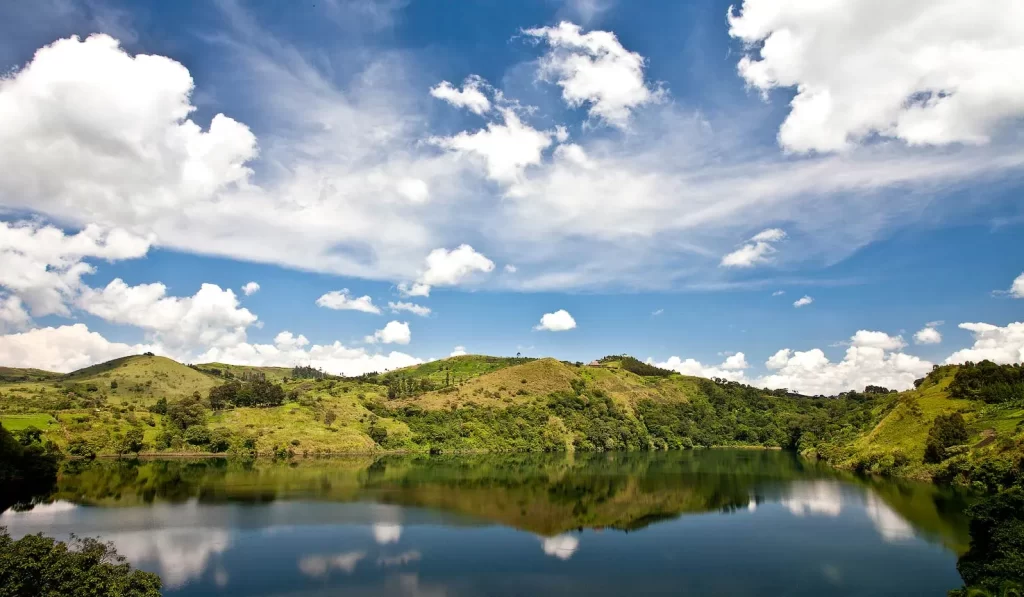
More than 50 volcanic crater lakes surround Fort Portal, part of the wider Ndali-Kasenda crater field. Each formed under different geological conditions, so sizes, depths, and water clarity vary considerably from lake to lake.
Lake Nyinambuga
One of the most photographed crater lakes in Uganda, having appeared on the country’s currency. Close to town and easy to combine with a short hike or viewpoint stop.
Lake Nkuruba
A popular swimming spot (bilharzia-free, unlike many of Uganda’s larger lakes) with a community nature reserve on its rim, good for birdwatching and forest walks.
Lake Kyaninga
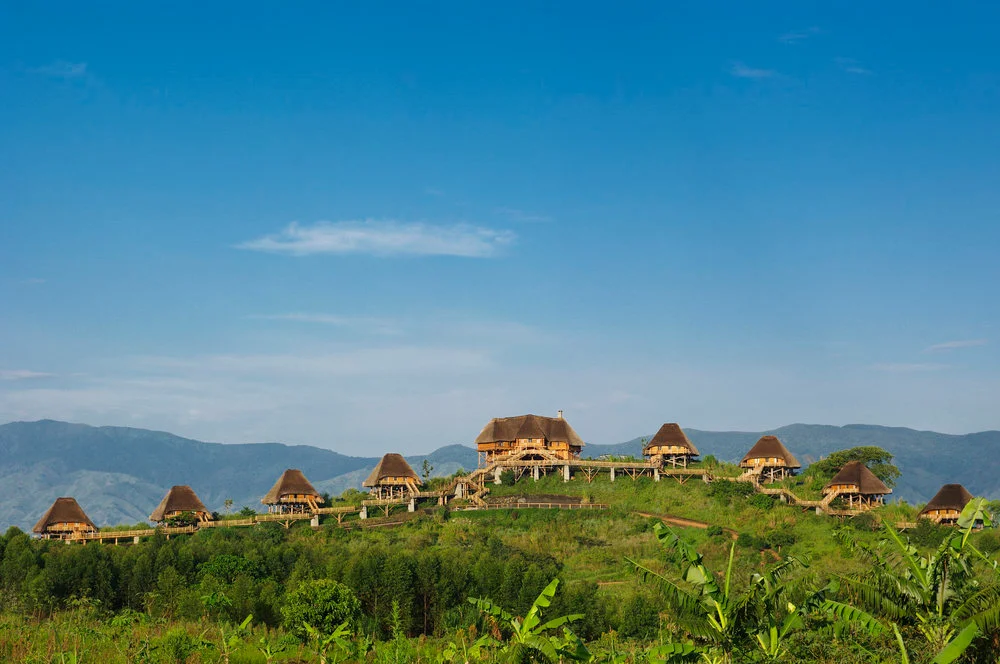
Known for its steep crater walls and the luxury lodge perched on its rim, Kyaninga is more about scenic overlooks and lodge-based relaxation than swimming.
Exploring the Wider Ndali-Kasenda Crater Lakes Region
Because the lakes sit within short driving or boda-boda distances of one another, it’s possible to visit several in a single day. Community-run hiking trails connect several crater rims, offering panoramic photography opportunities across rolling green hills dotted with banana plantations.
Other Attractions in and Around Fort Portal
Amabere Caves (Nyinamwiru Legend)
Located about 8 km from town in Nyakasura, Amabere Ga Nyinamwiru (“breasts of Nyinamwiru”) is a cave system with stalactite and stalagmite formations tied to a Toro Kingdom legend about Princess Nyinamwiru. Guided tours (roughly 1–2 hours) combine the caves with a walk to nearby Nyakasura Falls and some birdwatching along the way.
Tooro Botanical Gardens
A small, walkable garden in town showcasing dozens of tree species alongside medicinal herbs and organic farming demonstrations — a relaxed half-hour to hour stop, good for travelers wanting a lower-key activity between park days.
Tea Plantation Tours
The volcanic soil and steady rainfall around Fort Portal support extensive tea farming. Guided estate tours walk through harvesting and processing, and the rolling green tea fields themselves are among the most photographed landscapes in the region.
Gateway to Western Uganda’s National Parks
Kibale Forest National Park
Just 30 minutes from town, Kibale Forest National Park is Africa’s primate capital, home to more than 1,400 chimpanzees. Ranger-led chimpanzee tracking departs from the Kanyanchu Visitor Centre each morning and afternoon, and the park’s 13 primate species and 375+ recorded bird species make it one of Uganda’s richest wildlife destinations.
Semuliki National Park
Semuliki National Park offers a completely different ecosystem — lowland Congo Basin rainforest rather than Kibale’s mid-altitude forest. Highlights include the Sempaya hot springs, strong birding trails, and cultural visits with the Batwa community.
Rwenzori Mountains National Park
The Rwenzori Mountains — the “Mountains of the Moon” — rise along the Uganda-Congo border, with Mount Stanley reaching 5,109 meters, Africa’s third-highest peak. Multi-day expeditions suit experienced trekkers, while shorter guided nature walks work well for casual visitors. The range’s glaciers have earned it UNESCO World Heritage status.
2-Day Fort Portal Base Itinerary
Day 1: Morning tour of Karuzika Palace and Toro Kingdom history, followed by an afternoon crater lake circuit — Lake Nyinambuga for the viewpoint, Lake Nkuruba if you want to swim. Evening at a crater-rim lodge.
Day 2: Early departure for chimpanzee tracking in Kibale Forest (8:00 AM trek from Kanyanchu), returning to Fort Portal by early afternoon with time for the Amabere Caves or Tooro Botanical Gardens before dinner.
This two-day base works well as a standalone western Uganda add-on or as the opening leg of a longer circuit — see our 7-Day Uganda Safari, which routes through Fort Portal, Kibale, Queen Elizabeth, Lake Mburo, and Jinja.
Best Time to Visit Fort Portal
Fort Portal welcomes visitors year-round, but the dry seasons — December to February and June to September — offer the clearest skies and easiest trail access for both crater lake hikes and Kibale chimpanzee tracking. The wetter months bring greener landscapes and fewer crowds, at the cost of muddier trails.
Where to Stay in Fort Portal
Options range from in-town guesthouses to crater-lake-rim lodges with panoramic views, and forest camps closer to Kibale for early trekking departures. Where you base yourself depends on whether you prioritize easy access to the palace and town, or a quieter crater-lake or forest setting. Contact Steady Safaris for current lodge recommendations matched to your budget and itinerary.
Getting Around
A private safari vehicle with driver is the most practical way to cover the crater lakes, palace, and park day trips efficiently. Boda bodas (motorcycle taxis) are a common, affordable way to reach nearby crater lakes independently, though a private vehicle is strongly recommended for the Kibale and Semuliki transfers.
Frequently Asked Questions
What is Fort Portal known for?
Fort Portal is known for the Toro Kingdom and Karuzika Palace, its surrounding volcanic crater lakes, and its role as the closest town to Kibale Forest National Park’s chimpanzee tracking.
Where is Fort Portal located?
Fort Portal is in western Uganda’s Kabarole District, about 300 kilometers from Kampala, sitting at roughly 1,500 meters above sea level.
When is the best time to visit Fort Portal?
The dry seasons — December to February and June to September — offer the clearest conditions for crater lake hikes and chimpanzee tracking in nearby Kibale.
Can tourists visit Karuzika Palace?
Yes. Guided tours of Karuzika Palace are open to visitors and cover Toro Kingdom history, royal regalia, and clan traditions.
Is Fort Portal suitable for family travel?
Yes — the town’s cooler climate, organized layout, and mix of low-key attractions (botanical gardens, gentle crater lake walks) make it comfortable for families, alongside easy access to Kibale for older children interested in wildlife.
How far is Fort Portal from Kibale Forest National Park?
Kibale Forest National Park is about 30 kilometers from Fort Portal, roughly a 30–45 minute drive — close enough for an early-morning chimpanzee tracking departure from a Fort Portal base.
How many crater lakes are near Fort Portal?
More than 50 volcanic crater lakes surround Fort Portal as part of the Ndali-Kasenda crater field, ranging from small swimming lakes to larger scenic lakes with lodges on their rims.
Can you swim in Fort Portal’s crater lakes?
Some can — Lake Nkuruba is a popular bilharzia-free swimming spot. Not all crater lakes are safe for swimming, so check locally or with your guide before getting in.
Is Fort Portal worth staying overnight, or just a day trip?
An overnight stay is worth it if you want to see more than one attraction. Basing yourself in Fort Portal for one to two nights lets you cover the palace, crater lakes, and an early Kibale chimpanzee trek without the fatigue of a single rushed day trip.
Plan Your Fort Portal Stay With Steady Safaris
Ready to explore Toro Kingdom, the crater lakes, and Kibale’s chimpanzees? We build Fort Portal into western Uganda itineraries of any length, from a focused 2-day base to a full circuit through Queen Elizabeth and Bwindi. Get in touch to start planning, or browse our 7-Day Uganda Safari itinerary.