

Kagulu Hill
Kagulu Hill: Uganda Travel Guide
Eastern Uganda hides a granite giant with a story stretching back centuries. Kagulu Hill rises sharply from flat farmland in Buyende District. It is part legend, part hiking challenge, and part living museum.
For travellers seeking culture alongside adventure, Kagulu Hill delivers both. This guide covers everything you need before you climb.
What Is Kagulu Hill?
Kagulu Hill, also called Kagulu Rock, is a granite outcrop in eastern Uganda. It rises about 3,500 feet above sea level, roughly 1,067 metres.
The rock sits in Bugabula sub-county, within Buyende District. This area falls inside the wider Busoga sub-region, home to the Basoga people.
Unlike a typical hill surrounded by others, Kagulu Hill stands alone. It rises dramatically from the surrounding lowlands, visible from many kilometres away.
This isolation makes Kagulu Hill a natural landmark for the region. Farmers and travellers alike use it to orient themselves across the flat Busoga landscape.
The rock itself is solid granite, formed over an immense span of geological time. Weathering has smoothed parts of its surface while leaving other sections rugged and steep.
A Sacred Landmark for the Basoga
Kagulu Hill holds deep spiritual meaning for local communities. The Basoga consider it a sacred site tied directly to their origin story.
Traditional caretakers have lived on and around the hill for generations. Their role connects present-day visitors to centuries of oral history.
The History Behind Kagulu Hill
Oral tradition places the Basoga migration around 1650 AD. Ancestors crossed Lake Kyoga from the east before settling near this hill.
Caves at the base of Kagulu Hill became an early home. According to local accounts, these caves were discovered in 1686.
Prince Mukama and the Bunyoro Connection
History credits Prince Mukama Namutukula with a major role at Kagulu Hill. He is said to have made the caves his personal residence.
This happened after conflict linked to the Bunyoro Kitara kingdom. The prince's arrival marked an important chapter in Busoga's early formation.
Eventually, separate clans united to form the Busoga Kingdom. Kagulu Hill remains a symbolic starting point in that larger story.
Today, the Busoga Kingdom spans eleven districts east of the Nile's source. Its royal palace sits on Igenge Hill, close to Jinja city.
Kagulu Hill still holds spiritual weight for the kingdom. Many elders reference it as the true point of Basoga origin.
Royal Seats at the Summit
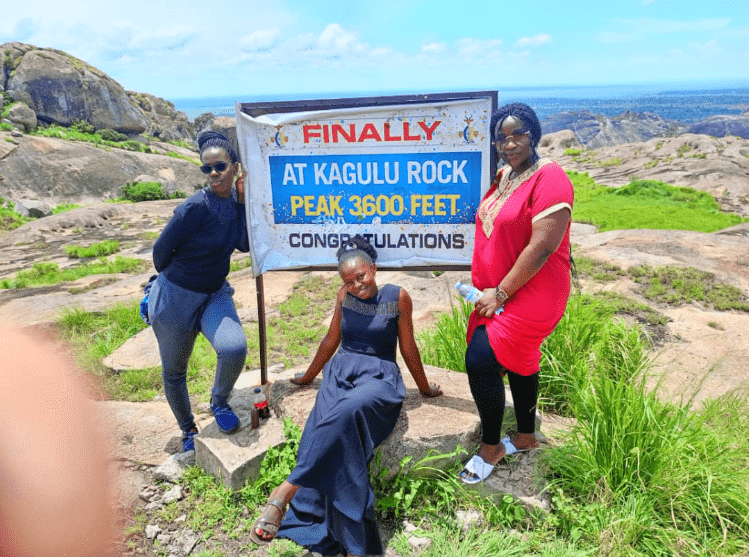
Climbers reach the top and find flat stones arranged near the peak. Local guides describe these as royal seats used by early kings.
Visitors can sit where leaders once sat centuries ago. This detail adds a personal, tangible link to Kagulu Hill's deep history.
Getting to Kagulu Hill
Kagulu Hill sits roughly four hours from Kampala by road. Total distance runs between 160 and 200 kilometres, depending on the exact route.
Travellers can pass through Jinja and follow the Kamuli tarmac road. Alternatively, the Kampala-Kayunga road crosses the Mbulamuti Bridge toward Kamuli.
Distance From Nearby Towns
From Kamuli town, Kagulu Hill sits roughly 30 to 42 kilometres away. Roads in this final stretch can be rough in places.
A sturdy vehicle, ideally four-wheel drive, makes the journey smoother. This is especially true during wetter months when tracks soften.
Jinja, the region's largest city, sits about 104 to 120 kilometres south. Many travellers combine both destinations into one eastern Uganda itinerary.
Climbing Kagulu Hill
The hike to the summit typically takes one to two hours. Fitness level and weather conditions both affect overall climbing time.
One side of the rock features constructed steps and safety rails. These additions make the ascent considerably easier for casual visitors.
What the Climb Feels Like
Despite the steps, climbing Kagulu Hill remains a genuine physical challenge. Granite surfaces can feel steep, especially during the final stretch.
Guides recommend sturdy footwear with good grip. Loose gravel and smooth rock sections require careful, steady footing throughout the climb.
Some sections near the top narrow considerably. Guides typically pause here, allowing climbers to rest before the final push upward.
Views From the Summit
Reaching the top rewards climbers with sweeping 360-degree views. Lake Kyoga stretches out toward the horizon on one side.
The Victoria Nile also becomes visible from certain vantage points. On clear days, the surrounding Busoga countryside spreads endlessly below.
Natural Features Around Kagulu Hill
Kagulu Hill offers more than a summit view. A small waterfall cascades down one section of exposed rock nearby.
Water emerges naturally from within the granite formation. This feature adds a refreshing stop for hikers during warmer months.
Caves Worth Exploring
The caves at the base of Kagulu Hill remain a highlight for many visitors. These spaces connect directly to Basoga origin stories.
Exploring them offers a quieter, more reflective experience. Guides often share oral histories tied to specific chambers within the caves.
Some chambers remain associated with specific ancestral figures. Local caretakers can point out which sections hold particular cultural significance.
The Kagulu Rock Climbing Challenge
Kagulu Hill hosts an annual event known as the Kagulu Rock Climbing Challenge. It launched in 2013 through the Busoga Tourism Initiative.
The Uganda Tourism Board also supports the event each year. Organisers designed it to boost domestic tourism across the Busoga sub-region.
Why the Event Matters
The challenge creates income for local guides and vendors. It also raises awareness of Kagulu Hill among Ugandan travellers themselves.
Past editions have featured cultural performances alongside the physical climb. Royalty from the Busoga Kingdom often attends as guests of honour.
Recent editions have focused on themes like digital tourism and youth employment. Organisers encourage young participants to document the climb through photography and social media.
Best Time to Visit Kagulu Hill
Dry season months offer the safest, most comfortable climbing conditions. These typically fall between June and August each year.
A second dry window runs from December through February. Both periods reduce the risk of slippery granite surfaces underfoot.
Weather Considerations
Rain makes the rock noticeably more dangerous to climb. Scheduling your visit during drier months significantly lowers this risk.
Mornings tend to offer cooler temperatures for the climb itself. Afternoon heat can make the ascent feel more demanding.
Combining Kagulu Hill With Other Attractions
Eastern Uganda offers several worthwhile stops near Kagulu Hill. Many travellers extend their trip to include additional cultural and natural sites.
Wildlife and Vegetation Around Kagulu Hill
The slopes of Kagulu Hill support scattered shrubs and hardy grasses. Vegetation thins near the summit, giving way to bare granite.
Birdlife is common around the base of the hill. Farmland and scattered trees nearby attract a range of common species.
A Working Landscape
Unlike a protected national park, Kagulu Hill sits within a farmed landscape. Local communities grow crops right up to the hill's lower slopes.
This blend of nature and daily life adds authenticity to a visit. Travellers see real Busoga village life alongside the hill's ancient history.
Nearby Destinations
Lake Kyoga offers fishing trips and scenic boat rides nearby. The Source of the Nile in Jinja remains a popular pairing.
Itanda Falls provides a dramatic waterfall stop along the Nile. Various Busoga cultural sites round out a well-balanced regional itinerary.
Sample Day Trip Idea
A well-planned trip might combine Kagulu Hill with Jinja's Nile attractions. Start early, climb the hill, then continue toward Jinja by afternoon.
This pairing suits travellers with limited time in eastern Uganda. It blends culture, history, and adventure into a single manageable route.
Where to Stay Near Kagulu Hill
Accommodation directly at Kagulu Hill remains limited. Most travellers base themselves in Kamuli town or nearby Jinja instead.
Choosing a Base
Kamuli offers basic guesthouses within a short drive of the hill. This option suits travellers focused purely on the Kagulu Hill experience.
Jinja provides a wider range of lodges and hotels. Staying here works well if you plan to combine Kagulu Hill with Nile activities.
What to Pack for Kagulu Hill
Comfortable hiking shoes make the biggest difference on this climb. Smooth granite sections demand shoes with reliable, grippy soles.
Carry enough drinking water for the full round trip. Temperatures can rise quickly once you leave the shaded lower slopes.
Additional Essentials
Sun protection matters throughout the climb, since shade is limited. A hat and sunscreen help prevent discomfort during longer ascents.
A camera is essential for capturing the summit views. Few photo opportunities in eastern Uganda match the panorama from Kagulu Hill.
Respecting Local Culture at Kagulu Hill
Kagulu Hill remains an active spiritual site for the Basoga people. Visitors should approach the experience with genuine respect and curiosity.
Guidelines for Visitors
Hiring a local guide supports the community directly. Guides also provide context that visitors would otherwise miss entirely.
Listen closely during storytelling sessions at the base or summit. These oral histories represent centuries of carefully preserved cultural memory.
Photography Opportunities at Kagulu Hill
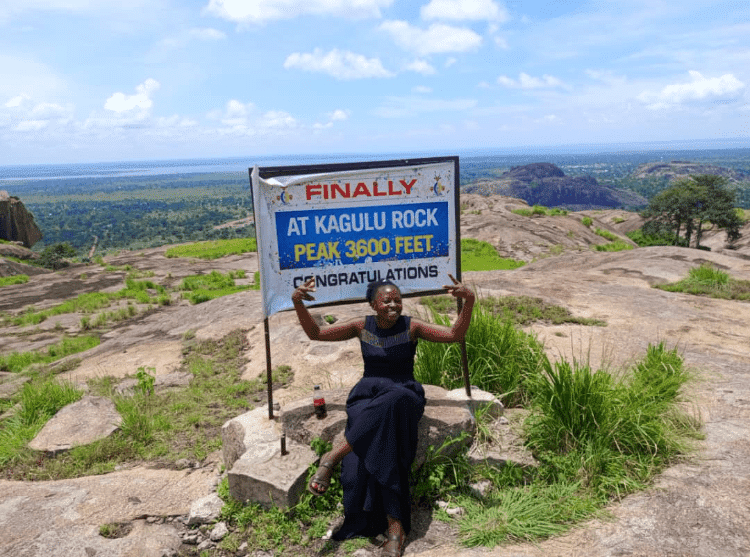
Kagulu Hill offers striking photo opportunities at nearly every stage. The granite surface creates dramatic textures under morning and evening light.
Best Angles and Timing
Early morning light softens the rock's rugged surface nicely. Shadows stretch long across the granite, adding depth to wide shots.
The summit view works best on clear, dry-season days. Haze can reduce visibility during particularly hot or humid stretches.
Sunset shots from the base capture the hill's full silhouette. Many photographers consider this the most rewarding time to shoot.
Frequently Asked Questions About Kagulu Hill
How tall is Kagulu Hill?
Kagulu Hill rises approximately 3,500 feet, or 1,067 metres, above sea level. It stands clearly above the surrounding flat terrain.
How far is Kagulu Hill from Kampala?
The drive from Kampala to Kagulu Hill takes about four hours. Total distance ranges between 160 and 200 kilometres.
How long does it take to climb Kagulu Hill?
Most climbers reach the summit within one to two hours. Fitness level and weather both influence total climbing time.
Is Kagulu Hill safe to climb?
Yes, especially along the side fitted with steps and rails. Dry season visits further reduce the risk of slipping.
What is the history behind Kagulu Hill?
Kagulu Hill marks an early Basoga settlement, linked to Prince Mukama Namutukula. Caves at its base were reportedly discovered in 1686.
Final Thoughts on Visiting Kagulu Hill
Kagulu Hill offers a rare combination of physical challenge and cultural depth. Few destinations in Uganda blend history and adventure this seamlessly.
From ancient caves to panoramic summit views, every stage tells a story. Plan your climb during the dry season for the best experience.
Whether you are drawn by history, hiking, or photography, Kagulu Hill rewards curious travellers. Add it to your eastern Uganda itinerary and discover Busoga's founding story firsthand.

