
Gorilla trekking Uganda and Rwanda
Gorilla Trekking in Uganda and Rwanda: Permits, Costs, Best Time and How to Choose (2027 Guide)
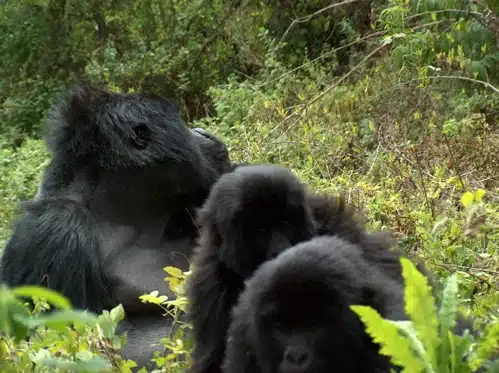
There are only a little over a thousand mountain gorillas left on Earth, and nearly all of them live in one small corner of Africa where Uganda, Rwanda and the Democratic Republic of Congo meet. Standing a few metres from a silverback, with an infant tumbling through the undergrowth behind him, is one of the few travel experiences that lives up to its reputation.
However, the real question is not whether to go, but where. Uganda and Rwanda both offer legal, well-managed gorilla trekking, yet the two destinations feel very different, cost very different amounts, and suit different kinds of travellers. This guide compares them side by side so you can pick the right one, or combine both, without overpaying or getting caught out by the rules.
Gorilla Trekking in Uganda and Rwanda at a Glance
| Uganda | Rwanda | |
|---|---|---|
| Where you trek | Bwindi Impenetrable and Mgahinga Gorilla National Parks | Volcanoes National Park |
| Standard permit (foreign non-resident) | US$800 | US$1,500 |
| Low-season permit | US$600 in April, May and November | US$1,050 (November to May) if you add nights at Akagera or Nyungwe |
| Time with the gorillas | 1 hour | 1 hour |
| Group size | Up to 8 visitors per family | Up to 8 visitors per family |
| Minimum age | 15 | 15 |
| Journey from the capital | Long drive or a domestic flight | About 2.5 to 3 hours from Kigali |
| Best for | Value, variety, more permit choice, adventurous trips | Short trips, comfort, tight schedules |
In short, Uganda is the better-value and more varied choice, while Rwanda is the easier and more compact one. The rest of this guide explains why, and what it means for your trip.
Why Mountain Gorilla Trekking Matters
How Many Mountain Gorillas Are Left?
The most widely quoted figure is 1,063 wild mountain gorillas. Specifically, it combines the 2018 census of the Bwindi-Sarambwe ecosystem, which counted 459 gorillas, with the 2015 to 2016 census of the Virunga Massif, which counted 604. These are census snapshots rather than a live head count, and a new Bwindi-Sarambwe census began in the 2025/26 cycle to update the picture.
Fortunately, the trend is genuinely hopeful. The IUCN reclassified mountain gorillas from Critically Endangered to Endangered in 2018, and at their lowest point in the 1980s scientists believed fewer than 400 remained. They are still far from safe, but they are one of the few great ape success stories.
How Your Permit Protects Them
A gorilla permit is not a ticket to a zoo. Instead, the fee pays for the rangers, trackers and anti-poaching patrols who protect the forest, funds veterinary care for the gorillas, and in both countries a share of the revenue flows to surrounding communities. Rwanda, for example, directs about 10 percent of park revenue to nearby communities, and Uganda uses gorilla tourism as a major source of income for Bwindi and Mgahinga.
That is also why the rules are strict: small groups, one hour only, and a firm distance. Tourism only protects gorillas if it is done carefully.
Gorilla Trekking in Uganda
Uganda is home to roughly half of the world’s mountain gorillas and offers the widest choice of places to see them.
Bwindi Impenetrable National Park
Bwindi is a steep, ancient, dripping rainforest in south-western Uganda and a UNESCO World Heritage Site. In fact, it holds the largest single population of mountain gorillas anywhere. Trekking here means climbing and descending forested ridges, often with a tangle of vines to push through, so it feels like a proper expedition.
Four trekking sectors split Bwindi, each with its own habituated gorilla families and lodges.
Buhoma
The oldest and most established sector in the north. It has a well-developed lodge scene, good forest trails and is a popular choice for first-time trekkers.
Ruhija
A higher-altitude sector in the east, known for cooler weather and excellent birding, including Albertine Rift endemics. Treks can be moderately demanding.
Rushaga
The southern sector with the most gorilla families, which usually means better permit availability on busy dates. It is also where operators offer the habituation experience.
Nkuringo
A dramatic sector on a high ridge with sweeping views over the Virunga volcanoes. The terrain is steep, so it suits fit and determined walkers.
Mgahinga Gorilla National Park
Mgahinga is a small park on the Virunga volcanoes in the far south-west, right on the border with Rwanda and the DRC. It is a pleasant, less crowded alternative to Bwindi, with a trek that often feels more like a mountain walk than a jungle scramble. Gorilla sightings can depend on how the family moves, because the group can cross borders, so ask your operator about the current situation when booking.
Uganda Gorilla Permit Cost for 2026 and 2027
The Uganda Wildlife Authority sets permit prices and charges them per person, per trek.
| Visitor category | Standard permit |
|---|---|
| Foreign non-resident | US$800 |
| Foreign resident | US$700 |
| East African citizen | UGX 300,000 |
If you are travelling soon after publication, always ask your operator or UWA to confirm the rate that applies to your exact date.
The Gorilla Habituation Experience
For travellers who want more than one hour, Bwindi offers the Gorilla Habituation Experience (GHE). You join researchers and trackers for up to four hours with a gorilla family that is still being accustomed to humans. The permit has cost US$1,500, and reports indicate a rise to US$1,800 under the newer tariff, with sources disagreeing on whether it starts in July 2026 or January 2027. Because that figure is still moving, confirm it directly before you plan around it. Group sizes are also very small, which makes it a premium option for serious wildlife enthusiasts and photographers.
Gorilla Trekking in Rwanda
Volcanoes National Park
Rwanda’s gorillas live in Volcanoes National Park, in the north-west of the country, part of the same Virunga range as Mgahinga. The park is a 2.5 to 3 hour drive from Kigali, which means you can fly in, trek the next morning and be back in the capital that evening if you want to.
Meanwhile, Rwanda runs a deliberate low-volume, high-value model. Rwanda limits permits to 96 a day, caps groups at eight, and keeps about ten habituated families open for trekking. The slopes are volcanic and often misty, with bamboo forest at lower levels, and the trails are generally shorter and better defined than in Bwindi, though still steep in places.
Rwanda Gorilla Permit Cost
The standard Rwanda Development Board permit is US$1,500 per person for international visitors. It has stayed at that level since RDB doubled it from US$750 in 2017.

However, there is one useful discount. From November to May, RDB offers a 30 percent reduction, bringing the permit to US$1,050, for travellers who also stay at least two nights in Akagera or Nyungwe National Park (or one night in each). You need to show proof of the stay, so ask your operator how it is documented.
Other Things to Do Around Volcanoes
In addition, Rwanda is compact enough to build a full itinerary around the gorillas.
- Golden monkey tracking: an easy and entertaining hour with one of the Virungas’ rarest primates, priced at US$100 for foreign visitors at the last published rate.
- Dian Fossey tomb hike: a half-day walk to the grave and former research camp of the scientist who dedicated her life to mountain gorillas.
- Nyungwe chimpanzee tracking and canopy walk: a rainforest extension in the south-west.
- Akagera game drives: savannah wildlife in the east, useful if you want to add classic safari animals.
Uganda vs Rwanda Gorilla Trekking: Which Is Better?
Overall, neither country is objectively better. They answer different priorities.
Choose Uganda If You Want
- A lower permit price. At US$800, the permit costs roughly half the Rwandan fee, which adds up quickly for couples and families.
- More permit availability. Uganda offers about 160 permits a day across many families and sectors, so there is usually more flexibility on dates.
- A wider wildlife trip. Uganda pairs gorillas with chimpanzee tracking in Kibale, tree-climbing lions in Ishasha, boat safaris at Queen Elizabeth National Park, and game drives and the world-famous waterfalls at Murchison Falls.
- A real adventure. The Bwindi forest is wild, steep and atmospheric.
Choose Rwanda If You Want
- A short, simple trip. From Kigali airport you can be at the park in under three hours.
- Smoother logistics. Roads are good, and distances are short.
- A premium, low-crowd feel. Strict visitor limits and polished lodges suit travellers who value comfort and exclusivity.
- A tight schedule. If you only have three or four days, Rwanda fits the clock better.
Choose Both If You Can
Indeed, many travellers trek once in each country. The Virunga gorillas in Rwanda and Mgahinga and the Bwindi gorillas in Uganda live in different habitats and feel different to track. The border crossing at Cyanika or Katuna is straightforward when arranged through a good operator, and you can combine both with a single regional tourist visa where eligible. Check current visa rules before you travel.
Best Time for Gorilla Trekking in Uganda and Rwanda
Gorillas can be trekked all year round, because they live in rainforest that can be wet in any month. Instead, the difference is comfort and cost.
The Dry Seasons
June to September and December to February are the driest windows. Trails are less muddy, views are clearer and walking is easier. They are also the busiest and most expensive periods, so book permits and lodges early.
The Wet Seasons
March to May and October to November bring heavier rain. Trails are slippery and the walk can be harder, but you get lush scenery, fewer visitors and, in Uganda, the discounted April, May and November permits. If you are comfortable with mud and a rain jacket, the wet season can be excellent value.
What Happens on a Gorilla Trek
The Morning Briefing
First, you start early at the park headquarters or ranger post. Guides explain the rules, assign you to a gorilla family based on your fitness and the group’s location, and introduce your trackers.
The Hike
Next, trekkers head into the forest with armed rangers, who are there to deter wildlife like forest elephants, not the gorillas. The hike can take anywhere from 30 minutes to several hours, depending on where the family spent the night.
Your Hour With the Gorillas
When you reach the family, you leave your bags and walking sticks with the porters, keep your voices low and spend one hour in their company. Expect to watch a silverback eating, juveniles playing and mothers carrying babies. Afterwards, most people say the hour felt like ten minutes.
The Rules You Need to Follow
- Stay at least seven metres from the gorillas.
- Do not eat, drink or smoke near them.
- Never use a flash.
- If a gorilla approaches, stay calm, look down and step back slowly.
- If you are unwell, tell your guide. Gorillas are vulnerable to human respiratory illnesses, and your guide may ask you to skip the trek or wear a mask.
- Children under 15 cannot trek.
How Fit Do You Need to Be?
Gorilla trekking is moderately strenuous. You do not need to be an athlete, but you do need to be able to walk for several hours at altitude, usually between 2,200 and 2,700 metres, on steep, slippery ground. Rangers and porters assign easier or harder families depending on your ability, so be honest at the briefing.
Training for a few weeks beforehand helps. For example, aim for regular hill walks with a daypack and some stair work. Above all, hiring a local porter, usually for a modest fee, is strongly recommended. It makes the trek easier, supports a local family and helps you keep your balance.
What to Pack for Gorilla Trekking
- Sturdy, broken-in hiking boots with good ankle support
- Gardening gloves to protect your hands from thorns and stinging plants
- Long trousers and a long-sleeved shirt in neutral colours
- Waterproof jacket and a small waterproof cover for your camera
- Gaiters to keep mud and insects out of your boots
- Hat, sunscreen and insect repellent for sun and bites
- Daypack with at least two litres of water and a packed lunch
- Camera with a fast lens or high-ISO capability, since the forest is dark and flash is banned
Health, Visas and Entry Requirements
Always check official guidance before you travel, because requirements change.
- Passport: valid for at least six months.
- Visas: Uganda and Rwanda both issue e-visas, and a joint East Africa Tourist Visa may cover Uganda, Rwanda and Kenya for eligible travellers.
- Yellow fever: Uganda generally requires proof of vaccination.
- Travel insurance: choose a policy that covers medical evacuation and trip cancellation, since permits are non-refundable.
- Health advisories: check your government’s travel health advice for any current outbreaks in the region.
How to Book Gorilla Permits
- Pick your dates and country first. The permit controls the whole trip, so fix the date and sector before booking lodges or flights.
- Book early. For high season, aim for six to twelve months ahead. Rwanda sells out particularly quickly.
- Choose how to buy. In Uganda, UWA issues permits, usually through a licensed tour operator. In Rwanda, you can book directly through the RDB system or via an operator. A reputable operator can also handle lodging, transport and logistics.
- Pay in full where required. Uganda now requires full payment at booking.
- Check the cancellation rules. Permits are generally non-refundable and you cannot reschedule low-season permits in Uganda.
- Ask for the paperwork. You should receive a scanned permit copy by email and the original on trek day.
A Sample Itinerary Combining Uganda and Rwanda
A classic eight-day route balances both countries and the best of each. Each numbered line below is one day.
- Arrive in Entebbe and transfer to Kampala or Lake Mburo.
- Drive to Queen Elizabeth National Park for an afternoon game drive.
- Take a morning boat safari on the Kazinga Channel, then drive to Bwindi.
- Trek gorillas in Bwindi.
- Continue to Kisoro and visit Lake Mutanda or Mgahinga.
- Cross into Rwanda and settle near Volcanoes National Park.
- Choose a second gorilla trek or golden monkey tracking.
- Transfer to Kigali for your flight home.
Alternatively, swap or extend stops to suit your budget. If time is short, a Uganda-only or Rwanda-only trip of three to four days works well.
Common Gorilla Trekking Mistakes to Avoid
- Waiting too long to book. High-season permits vanish months ahead.
- Judging a trip by permit price alone. Uganda is cheaper, but the long drive adds time and transport costs.
- Wearing new boots. Blisters ruin a trek.
- Skipping the porter. It is the best money you will spend.
- Trekking while ill. It risks the gorillas and your own spot.
- Relying on out-of-date prices. Tariffs and discounts change, so verify every figure with the official authority.
Frequently Asked Questions About Gorilla Trekking in Uganda and Rwanda
How much does a gorilla permit cost in Uganda and Rwanda?
In Uganda, a standard permit costs US$800 for foreign non-residents, or US$600 in the low-season months of April, May and November. In Rwanda, the permit costs US$1,500, with a US$1,050 discounted rate from November to May for travellers who add nights at Akagera or Nyungwe.
Is gorilla trekking in Uganda cheaper than in Rwanda?
Yes, for the permit itself. Uganda’s permit costs roughly half the Rwandan price. However, Uganda’s longer road distances can raise transport costs, so compare total trip prices, not just permits.
Which is better, Uganda or Rwanda, for gorilla trekking?
It depends on your priorities. Uganda offers better value, more permits and a wider wildlife trip. Rwanda offers shorter transfers, easy logistics and a polished, low-volume experience. Both give you the same one-hour encounter with mountain gorillas.
How long do you spend with the gorillas?
Standard treks allow one hour with the gorilla family once you find them. The hike itself can take anything from under an hour to most of a day.
How difficult is gorilla trekking?
It is moderately demanding, with steep and sometimes muddy terrain at altitude. Most reasonably active people manage it, especially with a porter and a patient pace.
What is the minimum age for gorilla trekking?
The minimum age is 15 in both Uganda and Rwanda.
What is the best time of year to go?
June to September and December to February are the driest and most comfortable, but also the busiest. March to May and October to November are wetter, quieter and, in Uganda, cheaper.
Can I see gorillas in both countries in one trip?
Yes. Many travellers combine Bwindi or Mgahinga in Uganda with Volcanoes National Park in Rwanda, crossing the border by road. You need a separate permit for each trek.
What is the gorilla habituation experience?
It is a longer encounter of up to four hours with a gorilla family that is still being habituated, available in Bwindi’s Rushaga sector. It costs more than a standard permit and reports say the price will rise, so confirm it before booking.
Are gorilla permits refundable?
Generally no. Permits are usually non-refundable, and you cannot reschedule Uganda’s low-season permits, so take out travel insurance and check the terms before paying.
Is gorilla trekking safe?
Yes. Trained guides and armed rangers lead every trek, and incidents are rare. Follow the guide’s instructions, keep your distance and never run if a gorilla approaches.
How far in advance should I book?
Six to twelve months for high season, and at least a few months for low season. Rwanda tends to sell out first.
Conclusion: Which Gorilla Trek Is Right for You?
Trekking mountain gorillas in Uganda or Rwanda is the kind of trip that stays with you for life. Uganda gives you the lower permit price, more families to choose from and a bigger wildlife itinerary, with Bwindi’s wild forest at the centre. Rwanda gives you speed, comfort and a beautifully organised, low-volume experience just hours from Kigali. If your budget and time allow, doing both shows you how differently these two countries protect the same extraordinary animals.
Whichever you choose, book early, train a little, pack for rain and confirm the latest permit rates with the official authorities before you pay. Ultimately, every permit you buy helps keep the forest, and the gorillas in it, protected for the next generation of visitors.

